 hendra-wijaya
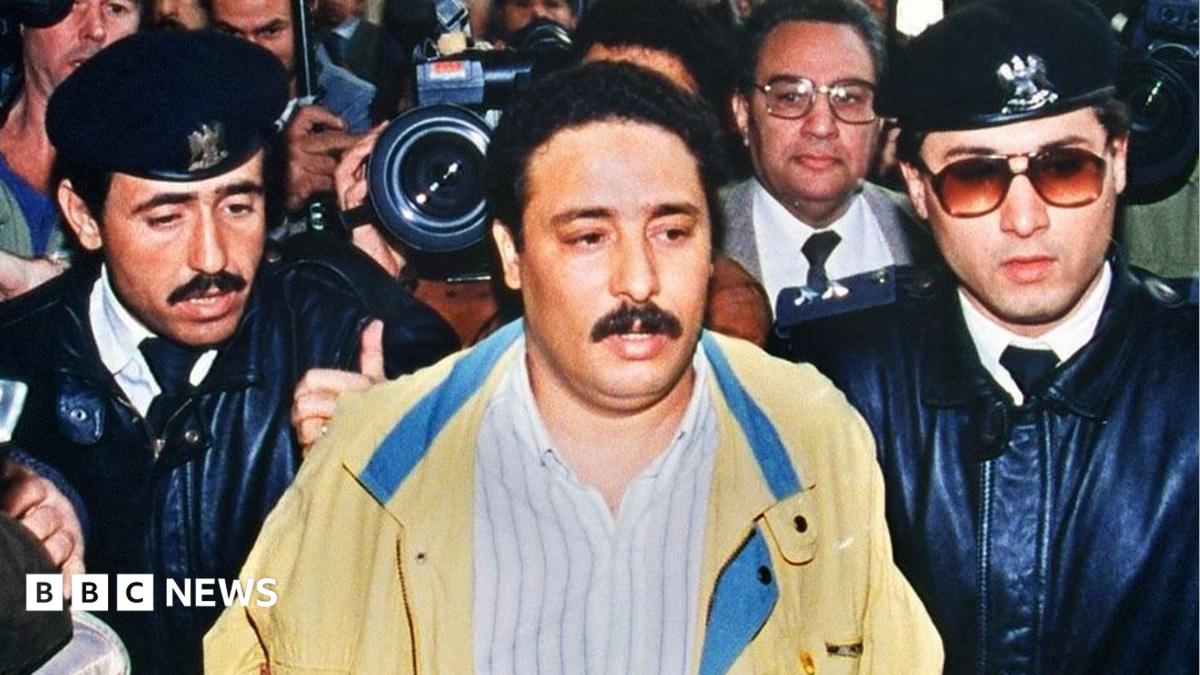
Al Amin Khalifah Fhimah, the Libyan national who walked free from one of Scotland's most closely watched murder trials, has passed away at the age of 70. His death was announced by Libyan Airlines through a social media post expressing condolences to his family.
Fhimah had stood accused of murdering the 270 people killed when Pan Am Flight 103 was blown out of the sky over the town of Lockerbie in December 1988. While the court cleared him of all charges, a co-defendant, Abdulbasset Al Megrahi, was found to have played a central part in the destruction of the American passenger jet.
The former airline employee, who had been stationed in Malta for the Libyan carrier before the bombing, is due to be buried on Wednesday in Tripoli.
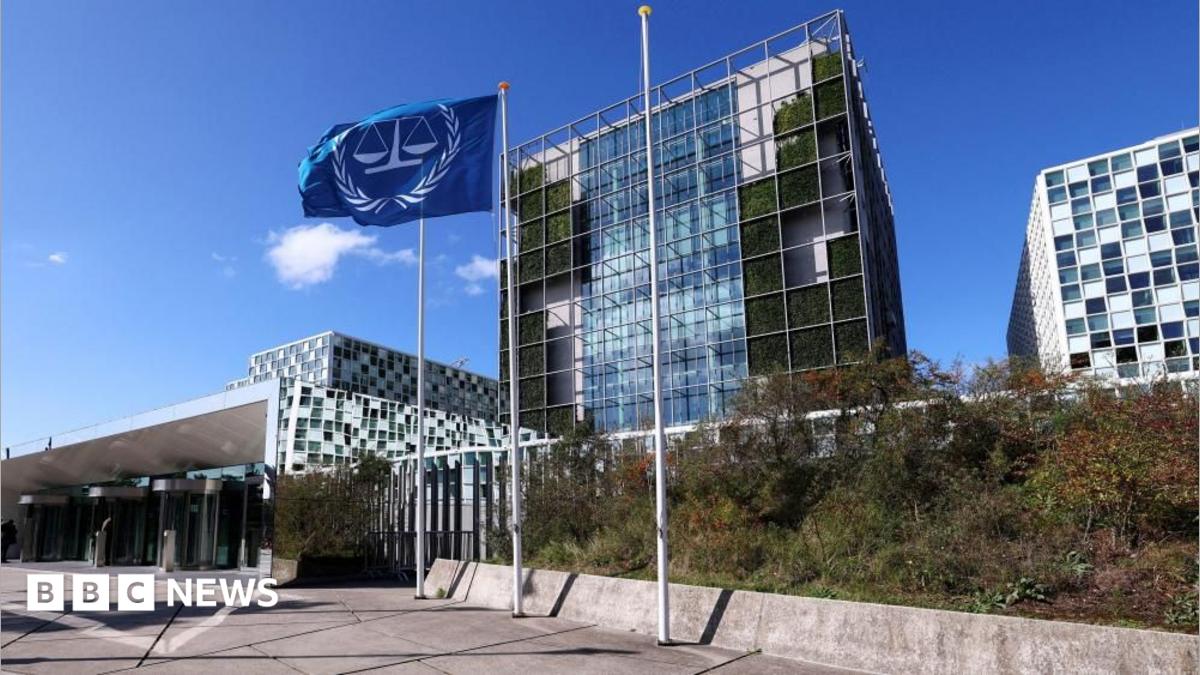
The case against both men stretches back to 1991, when authorities in Scotland and the United States formally named them as suspects. Only after years of United Nations sanctions against Libya were the pair handed over to face justice at a Scottish court specially convened in the Netherlands.
In 2001, a panel of three judges delivered a split verdict: Megrahi was convicted of mass murder and given a life sentence, while Fhimah was acquitted outright. On his return to Tripoli, he was greeted by Libya's longtime ruler, Colonel Muammar Gaddafi, and he insisted on his innocence for the rest of his life.
Megrahi never completed his sentence. Released on compassionate grounds by the Scottish government in 2009 after being diagnosed with terminal illness, he died of cancer in 2012.
The affair resurfaced in 2022, when the FBI revealed that Fhimah had been implicated anew through statements attributed to another Libyan, Abu Agila Mohammad Masud Kheir Al-Marimi. According to US officials, Al-Marimi told a Libyan police officer that he had taken part in the plot alongside Fhimah and Megrahi while all three belonged to the country's intelligence service.
Al-Marimi, who is awaiting trial in the United States, rejects the account entirely. He maintains that no such genuine confession exists, saying any admission attributed to him was coerced, and denies building the device that brought down the aircraft.
His alleged statement, together with additional material that has surfaced from Libya in recent years, raised the prospect that Fhimah could be prosecuted a second time. An American federal indictment issued against him in 1991 formally remains open.
Scottish law does allow such an outcome. Under the Double Jeopardy (Scotland) Act 2011, a suspect may face a fresh trial for the same offence if compelling evidence that did not exist during the original proceedings substantially strengthens the prosecution's hand.
Reporting by the BBC indicates that prosecutors in Edinburgh and Washington would have examined possible new measures against Fhimah had Al-Marimi been found guilty at his trial in the US capital next year. Any renewed prosecution would nonetheless have presented steep legal obstacles and political delicacy, considering his exoneration by the Scottish bench a quarter-century ago.
Meanwhile, the proceedings against Al-Marimi have been pushed back once more. With the defence citing "newly discovered" material, a federal judge agreed to a third postponement, moving the trial's start to January in Washington. Officials stressed that the delay bears no connection to reports of Fhimah's passing.
--- END ---








Comments (0)