

Australia Unveils Migration Overhaul Targeting International Students, Visa Hoppers, and Backpackers
The Australian government has introduced a major package of immigration restrictions targeting international students, so-called "visa hoppers," and working holidaymakers as part o
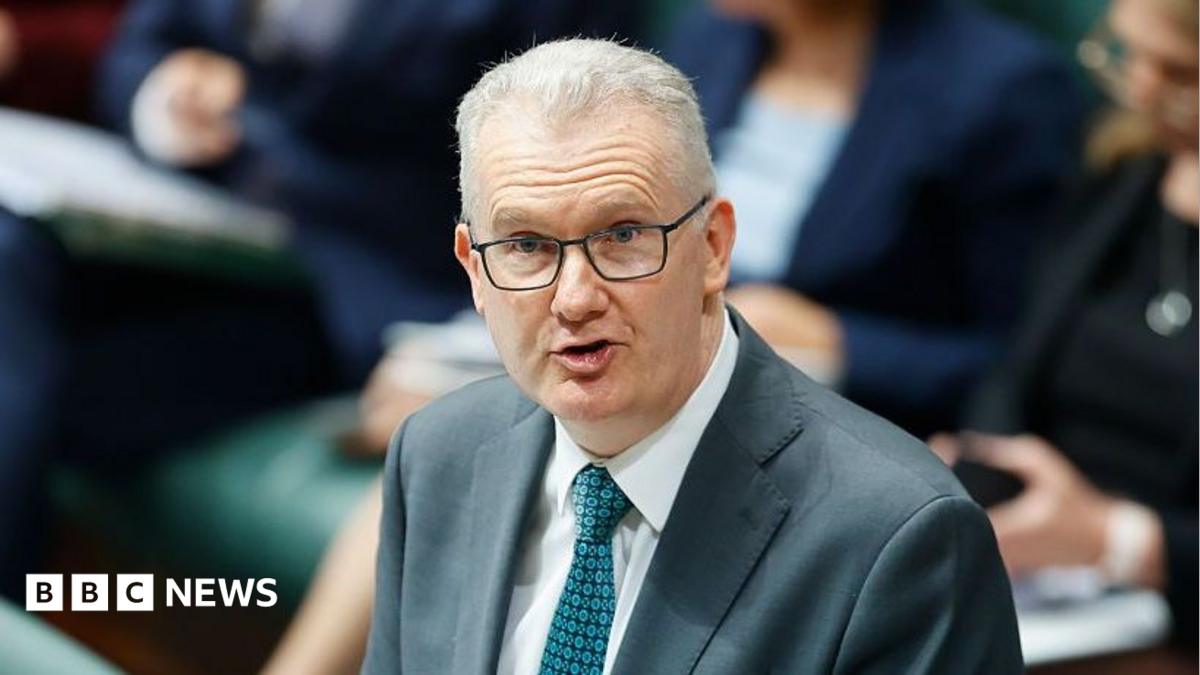
The Australian government has introduced a major package of immigration restrictions targeting international students, so-called "visa hoppers," and working holidaymakers as part of a concerted strategy to significantly reduce the nation's net overseas intake.
The sweeping policy changes were announced by Home Affairs Minister Tony Burke during an address titled "The work of managing the migration program: who arrives, who stays, who leaves." Burke emphasized that while immigration continues to represent an essential strength for Australia, the federal government must maintain a high level of control over who enters and remains in the country.
Under the new directives, overseas students and graduate visa holders will no longer have the automatic right to bring family members with them to Australia. The government is moving to prevent further additions to the existing stock of secondary visa holders arriving via student pathways.
Several exemptions to the family ban have been established. Foreign students currently residing in Australia will not be affected by the new restrictions, and exemptions will also be granted to applicants originating from Pacific and South East Asian nations. Furthermore, PhD candidates will retain the right to bring dependents, with Burke explaining that doctoral researchers are in different life circumstances compared to undergraduate students.
The government is also taking decisive action against "visa hopping," a trend where individuals finish an educational course and subsequently apply for another program—often at a lower academic level and occasionally with disreputable education providers—solely to extend their stay.
To prevent foreign nationals from continually resetting their temporary status, the authorities will require students wishing to prolong their residency to progress educationally. Burke explained that candidates must move upward on the academic ladder, citing the example of an undergraduate who completes a bachelor's degree and subsequently chooses to undertake a master's qualification.
Significant adjustments were also announced for the working holiday visa scheme, which caters to travelers aged 18 to 30 and serves as a vital source of seasonal labor for the country’s agricultural industry. Under existing rules, working holidaymakers can stay for an initial 12 months, with the opportunity to qualify for a second year by completing three months of regional work, and a third year after completing six months of regional work.
Under the newly outlined framework, individuals seeking subsequent stays will no longer have an open route and must instead enter a competitive ballot system. The second-year extension quota will be capped at 45,000 places, representing a sharp decrease from the 57,000 travelers who qualified during the previous year.
The reduction is even more pronounced for third-year renewals, where the ballot will be restricted to just 5,000 visas, down substantially from the 31,000 people who met the qualification requirements last year. However, backpackers from the United Kingdom will not be subject to these new limits or the ballot mechanism, thanks to arrangements established under the UK-Australia free trade agreement.
These measures follow earlier interventions implemented by the government in July, which included the suspension of working holiday visa processing for 24 nations, excluding the UK. During that same period, the government instituted priority processing for onshore applicants over overseas submissions for both family visas and permanent skilled migration streams.
The policy announcements coincide with newly released demographic data from the Australian Bureau of Statistics, which revealed that Australia’s total population expanded by 1.4 percent to reach 27.9 million in the 12 months leading up to March 2026. This population rise was driven by natural changes—births minus deaths—as well as a net overseas migration figure of 292,100 people.
Through this latest package of restrictions, the federal government intends to gradually reduce net overseas migration to an annual target of 225,000 individuals by 2028. Migration policy has emerged as a central political battleground across the country, amid mounting community debate concerning escalating living costs, housing affordability pressures, and strained public infrastructure.
The political pressure on immigration policy has intensified alongside the rising prominence of the right-wing populist One Nation party, which recently celebrated winning its first lower house seat in May. One Nation unveiled an aggressive migration policy earlier in the week, demanding a reduction of 750,000 temporary migrant visas over three years and proposing an annual net overseas migration cap of 130,000. Burke strongly rejected that proposal, warning that such extreme measures would severely damage fundamental sectors of the Australian economy.
Meanwhile, representatives from the multicultural and settlement sectors have raised serious concerns about the direction of the reforms. Violet Roumeliotis, speaking on behalf of Settlement Services International, argued that the migration discussion is increasingly being shaped by short-term political considerations rather than the nation's long-term interests. Roumeliotis warned that restricting family visas for international students will ultimately impair Australia's capacity to compete effectively for global talent.
What's Your Reaction?
 Like
0
 Dislike
0
 Love
0
 Funny
0
 Wow
0
 Sad
0
 Angry
0

Fact Checker Politik. Memverifikasi klaim publik, pidato pejabat, dan informasi viral. Anggota jaringan cek fakta Indonesia.




Comments (0)