

Dutch Arrest of ShinyHunters Suspect Deals Blow to Group Claiming Massive FBI Data Theft
Dutch authorities have detained a 24-year-old Amsterdam man on suspicion of belonging to ShinyHunters, the international cyber-crime collective that recently claimed responsibility
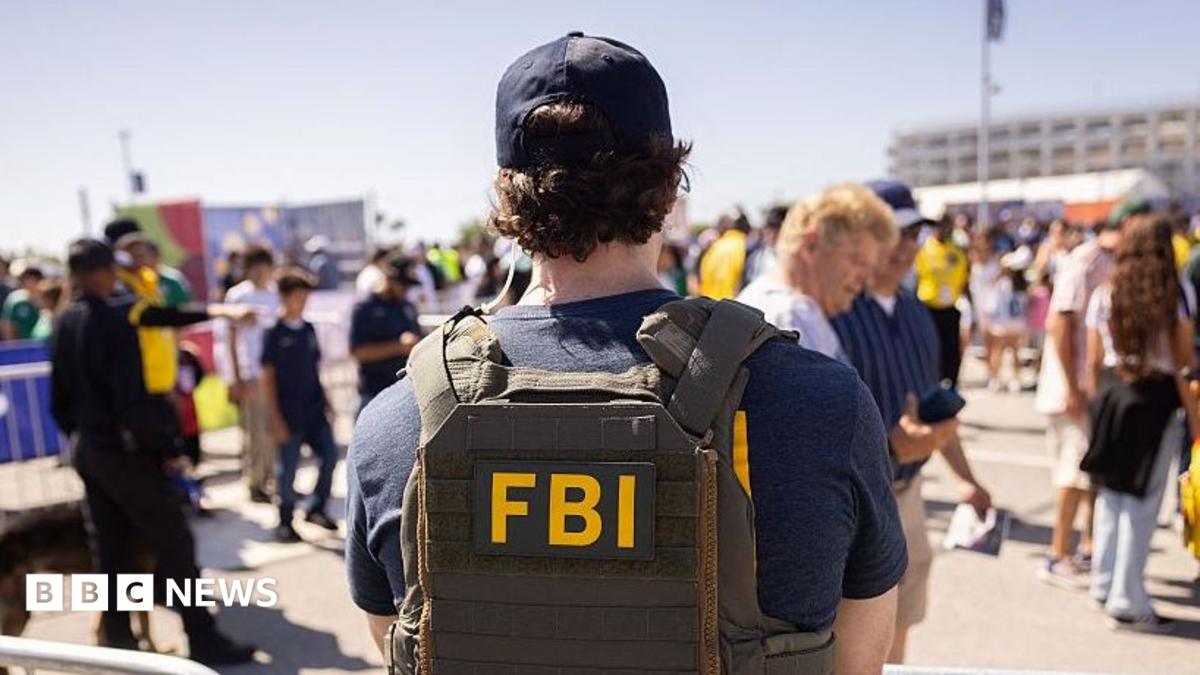
Dutch authorities have detained a 24-year-old Amsterdam man on suspicion of belonging to ShinyHunters, the international cyber-crime collective that recently claimed responsibility for one of the most damaging breaches of FBI systems in recent memory. The arrest, carried out on 15 September, predates the group's public claim of having stolen data on approximately 38,000 FBI personnel, but investigators believe the suspect is tied to the broader operations of the hacking outfit.
The Dutch police said the man's laptop contained a substantial volume of information, including material related to two planned killings abroad that he is suspected of having commissioned. He now faces suspicion of attempted incitement to commit those murders, in addition to allegations of involvement with ShinyHunters. His devices were seized at the time of his detention, and he has remained in custody since. Officials have indicated that additional arrests have not been ruled out as the investigation continues.
Stan Duijf, who heads Dutch efforts against cybercrime, framed the arrest as a significant milestone in a long-running inquiry. He noted that ShinyHunters has harmed a large number of victims both inside and outside the Netherlands, and described the detention as a positive development in the broader effort to dismantle the group. The Dutch investigation appears to have been underway well before the FBI breach became public, suggesting that law enforcement had already identified the collective as a priority target.
The FBI's response was swift and public. Director Kash Patel thanked Dutch partners in a post on X, saying that FBI teams were actively pursuing additional leads generated by the arrest. Brett Leatherman, assistant director of the bureau's cyber division, issued a direct message to remaining members of the group, urging them to surrender while they still had the opportunity. He warned that other criminal organizations had believed anonymity or loyalty would shield them, only to find that arrests tend to loosen tongues, and he stressed that the longer individuals remain involved, the more investigators learn about them.
ShinyHunters first came to wide attention after contacting journalists on 22 September, one day after claiming to have penetrated FBI servers. The group shared samples and screenshots of what it said was stolen data, and the BBC has reviewed a small portion of that material, which appears authentic. According to the group's account, the intrusion exploited a vulnerability in an Oracle cloud storage system used by the bureau, allowing access to multiple internal platforms. Those allegedly compromised systems include FBIJOBS, a recruitment portal; FBI BEAST, which handles background checks on employees and applicants; FBI MedLink, which stores agents' medical records; and FBI BICS, which holds investigative information. The scale of the alleged breach, covering names, roles, badge numbers, home addresses and phone numbers, has raised alarm among current and former agents, some of whom have described feeling fearful and angry about the exposure.
What makes the case unusual is the group's stated motive. In a message posted on the dark web, ShinyHunters insisted it had not targeted the FBI for financial gain. Instead, it demanded that the bureau retract a public service advisory issued in May that characterized the gang as threat actors who exaggerate or fabricate claims of access to sensitive data in order to extract payments from victims. The advisory, which remains on the FBI's website, also accused the group of targeting major technology, finance and retail companies and stealing millions of customer records in individual campaigns. ShinyHunters said it took offense at that description and wanted it withdrawn.
The group's track record lends weight to the FBI's warnings. ShinyHunters is believed to have originated in France and has since evolved into a loosely organized international collective. It has been linked to a high-profile breach at Rockstar Games in April and a disruptive attack on the education platform Canvas in May, among other incidents. Those episodes demonstrated the group's ability to cause widespread disruption and to publicize its exploits, often combining data theft with reputational pressure on its targets.
The arrest in Amsterdam may mark a turning point in efforts to counter the collective. Cyber-crime specialists note that groups like ShinyHunters often rely on a mix of technical skill, social engineering and the perception of untouchability to recruit members and intimidate victims. A single arrest, particularly one that yields a trove of devices and communications, can provide investigators with a map of the group's structure, communication channels and operational methods. Dutch authorities have not disclosed what specific evidence was recovered from the laptop beyond the reference to the alleged murder plots, but the mention of such material suggests the suspect may have been involved in activities far beyond hacking.
The timing of the arrest is also notable. It occurred six days before ShinyHunters publicly claimed the FBI breach, meaning the group may have been operating with a member already in custody. Whether that affected the subsequent attack, or whether the suspect played any role in it, remains unclear. The FBI has said it is working with Dutch partners to develop further leads, and Leatherman's remarks suggest the bureau expects more arrests to follow.
For the FBI, the incident has exposed vulnerabilities in third-party cloud infrastructure that the bureau relies on for sensitive functions. The breach has prompted internal questions about how medical records, background-check data and investigative files are stored and protected, and whether contractors and cloud providers meet the security standards required for handling such information. The bureau has not publicly detailed remedial steps, but the scale of the alleged theft, covering roughly 38,000 people, has made the case a focal point for debates about government data security.
For ShinyHunters, the arrest represents the most serious law-enforcement pressure the group has faced to date. Past operations have often been followed by long periods of impunity, but the Dutch action, combined with the FBI's public warnings, signals a more coordinated international response. Investigators in multiple countries are likely to examine the seized devices for links to other breaches, potential accomplices and financial trails. The suspect's alleged connection to planned violent crimes abroad adds a further dimension, suggesting that some members of the collective may be involved in activities beyond cyber-crime.
The coming weeks will reveal whether the arrest leads to further detentions or charges, and whether ShinyHunters can continue to operate effectively. For now, Dutch and U.S. authorities are presenting a united front, and the message to other members of the group is unambiguous: the choice to cooperate may not remain available indefinitely.
What's Your Reaction?
 Like
0
 Dislike
0
 Love
0
 Funny
0
 Wow
0
 Sad
0
 Angry
0

Reporter Senior. Meliput dinamika politik nasional, kebijakan publik, dan isu parlemen selama 8 tahun. Alumni FISIP UI.




Comments (0)