

Finland Halts Google Data Centre Construction Over Forest Clearance Concerns
Finnish regulatory authorities have intervened in Google's ambitious expansion plans, ordering construction work to stop at two planned data centre sites due to environmental compl
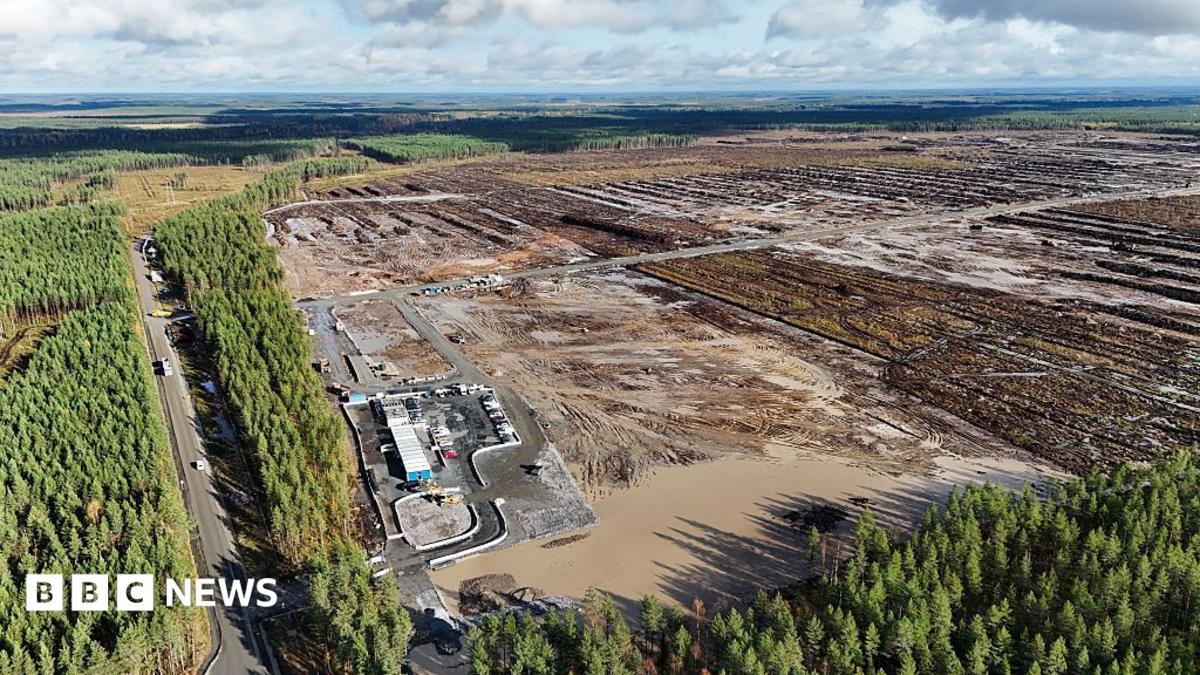
Finnish regulatory authorities have intervened in Google's ambitious expansion plans, ordering construction work to stop at two planned data centre sites due to environmental compliance failures. The Finnish Supervisory Agency (LVV) announced that preparatory activities at locations in Muhos and Kajaani were conducted without the required environmental impact assessment, prompting immediate regulatory action.
The suspension order represents a significant setback for what Google has characterized as its largest single investment in Europe. The tech giant announced less than a month ago that it would commit €13 billion (£11 billion; $15 billion) to Finnish infrastructure projects spanning 2027 and 2028, signaling a major strategic commitment to the Nordic nation as a hub for its expanding artificial intelligence and cloud computing operations.
According to Tommi Muilu, who heads the environmental division at LVV, the preparatory work at both sites involved substantial landscape modifications. Contractors removed trees and topsoil across more than 300 hectares of forest, constructed access roads and storage facilities, and altered drainage ditches. The agency determined these activities constituted measures that would "significantly alter the environment," triggering mandatory assessment requirements that were apparently not fulfilled.
The regulatory body has issued a deadline of 23 October for the suspension of all such activities. Additionally, Tuike Finland, the company managing Google's data centre projects, must submit a formal explanation and outline its intended path forward by 14 October. Should the company fail to meet these requirements, LVV has indicated it may initiate enforcement proceedings, potentially escalating the regulatory pressure.
Google responded to the intervention with an acknowledgment of responsibility. In a statement provided to the BBC, the company said it understood the concerns raised and admitted it had "fallen short of our own high standards in this instance." The tech giant maintained that it had operated in good faith under Finland's Forestry Act and had conducted nature surveys prior to commencing work.
The company also emphasized that it had implemented protective measures for areas identified as having high environmental value. As part of its remediation efforts, Google pointed to ongoing landscaping and biodiversity initiatives, including plans to plant trees across 130 hectares at the Muhos location. These commitments form part of what the company describes as its long-term commitment to environmental stewardship in the region.
Environmental advocates had previously raised alarms about the project's impact on Finnish forests. Hanna Halmeenpaa, chair of the Finnish Association for Nature Conservation, told the AFP news agency that "nature sites which should be preserved" had already been felled. The conservation organization had been calling for a work suspension while authorities examined whether environmental requirements were being properly followed, concerns that have now been validated by the regulatory intervention.
The broader context of Google's Finnish investment underscores both the opportunities and tensions surrounding the rapid expansion of data infrastructure across Europe. The company's €13 billion commitment includes new facilities in Kajaani, Muhos, and Vaala, alongside additional investment in its existing data centre in Hamina. Google has indicated this infrastructure is necessary to meet surging demand for its services, including Search, Maps, and its AI assistant Gemini.
From an economic perspective, Google projects that the construction phase during 2027 and 2028 will support more than 37,000 jobs and contribute an average of €3.6 billion annually to Finland's economy. These figures represent a substantial economic injection for the country, particularly in regions that have historically depended on traditional industries such as forestry and paper production.
Finland has emerged as an increasingly attractive destination for data centre developers, owing to several natural advantages. The country's cool climate reduces the energy required to cool facilities packed with heat-generating computer servers, translating into significant operational cost savings. Additionally, Finland's electricity grid benefits from a relatively low-carbon energy mix, aligning with the sustainability commitments that major technology companies publicly espouse.
As part of its expansion strategy, Google recently signed a 22-year power purchasing agreement with Finnish energy company Fortum. This long-term deal covers up to half the capacity of the Loviisa nuclear power plant, providing Google with a stable, low-carbon energy source for its operations. Fortum has stated that the agreement will help support the plant's continued operation until 2050, demonstrating how technology sector investment can influence national energy planning.
The regulatory intervention raises questions about the balance between attracting foreign investment and maintaining robust environmental protections. While Finland actively courts technology companies seeking to establish data infrastructure, the LVV's decisive action demonstrates that regulatory oversight remains a priority. The coming weeks will reveal whether Google and Tuike Finland can satisfy the agency's requirements and resume construction, or whether prolonged delays will affect the broader investment timeline.
The incident also highlights the growing scrutiny facing technology companies as they expand their physical infrastructure footprints. Environmental impact assessments, once viewed as procedural formalities, are increasingly becoming flashpoints where corporate ambitions intersect with community and ecological concerns. How Google navigates this regulatory challenge may establish precedents for how similar projects are managed across Europe.
For now, the immediate focus rests on the October deadlines. Tuike Finland must provide its explanation by 14 October, while the suspension of environmentally significant work remains in effect until 23 October. The outcome of this regulatory process will determine not only the future of these two specific data centres but also the trajectory of Google's broader Nordic investment strategy.
What's Your Reaction?
 Like
0
 Dislike
0
 Love
0
 Funny
0
 Wow
0
 Sad
0
 Angry
0

Reporter Senior. Meliput dinamika politik nasional, kebijakan publik, dan isu parlemen selama 8 tahun. Alumni FISIP UI.





Comments (0)