

Kenya Reports First Ebola Fatality as Bundibugyo Strain Outbreak Escalates in Central Africa
Kenya has recorded its first confirmed death from Ebola, health authorities announced on Tuesday, after a Kenyan national who had spent the past seven years residing in the Democra
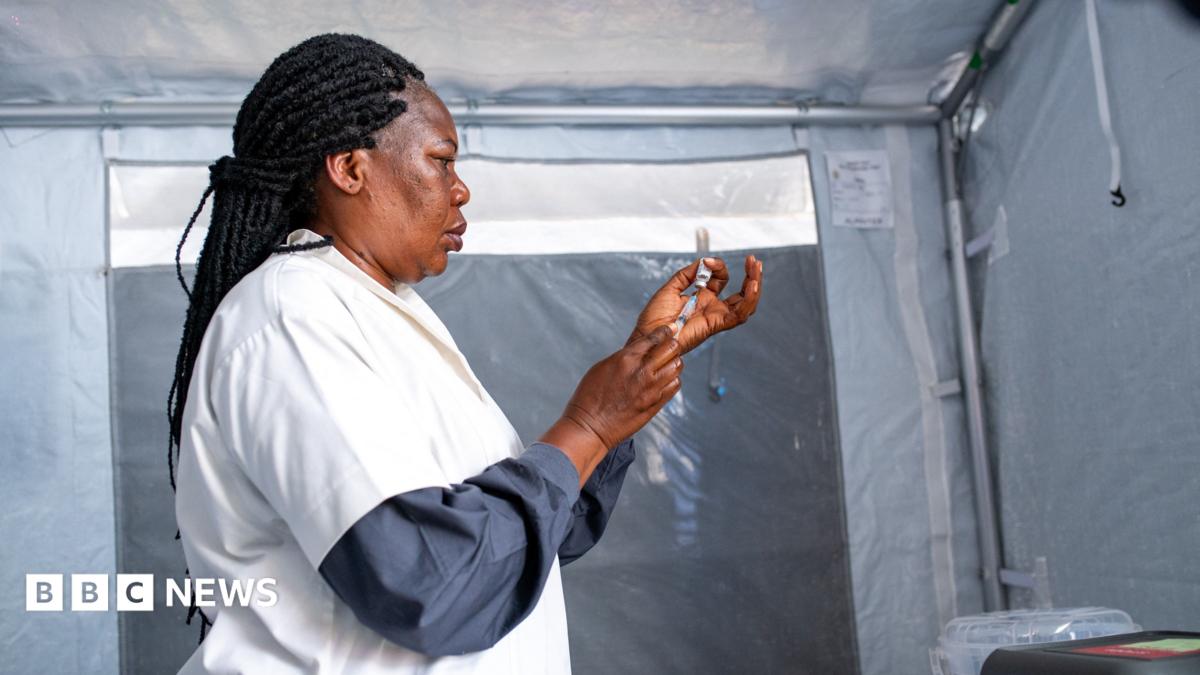
Kenya has recorded its first confirmed death from Ebola, health authorities announced on Tuesday, after a Kenyan national who had spent the past seven years residing in the Democratic Republic of Congo succumbed to the Bundibugyo species of the virus. The case marks a significant development in an outbreak that has already become the second deadliest known epidemic of the disease, with more than 4,000 fatalities recorded in DR Congo this year alone.
Health Minister Aden Duale confirmed the death during a press briefing, identifying the patient as a Kenyan citizen who had been living in the vast Central African nation for nearly a decade. According to Duale, the individual first became unwell approximately one month ago and sought treatment at multiple hospitals across DR Congo before deciding to travel home.
The patient's journey to Kenya involved a multi-country route that has raised concerns among public health officials. Duale said the man travelled by road from DR Congo into neighbouring Uganda, reaching the capital Kampala, where he boarded a commercial flight to Nairobi. He arrived on Saturday and passed through routine public health screening at Nairobi's main international airport without being flagged, before a relative transported him to a hospital in the city.
The case highlights the challenges of detecting viral haemorrhagic fevers during standard airport screening, particularly during the incubation period when symptoms may not yet be apparent. Ebola typically takes between two and 21 days to manifest, and infected individuals are not considered contagious until they begin showing signs of illness.
Once admitted to the Nairobi Hospital, the patient's condition deteriorated and he was transferred to an isolation facility originally constructed during the Covid-19 pandemic. It was there, according to the health minister, that the patient developed a constellation of severe symptoms including fever, chills, profound fatigue and weakness, painful swallowing, muscle pain, and bleeding beneath the skin.
Medical staff, alerted by the combination of symptoms and the patient's travel history, suspected a viral haemorrhagic fever and collected samples for laboratory analysis. The tests returned positive for the Bundibugyo virus, a relatively rare strain of Ebola for which no approved vaccines or treatments currently exist.
The patient died at 23:30 local time on Monday, and authorities have scheduled his burial for later on Tuesday, to be conducted in accordance with strict public health safety protocols designed to prevent further transmission through contact with the deceased.
Kenyan health authorities have moved swiftly to identify and monitor potential contacts. At least 28 individuals, including family members and healthcare workers who came into contact with the patient, have been identified and are being monitored. In addition, officials are tracing a further 23 passengers and four crew members who travelled on the same flight from Kampala to Nairobi.
The current outbreak, which was declared by DR Congo in May, has since been traced to the Bundibugyo species of the Ebola virus. This particular strain is considered relatively rare compared to other Ebola varieties, and critically, it has no approved vaccine or therapeutic treatment. The World Health Organization has recorded 4,082 deaths from 8,463 cases since the Bundibugyo species emerged, underscoring its high infectivity and lethality.
Shortly after DR Congo's outbreak declaration in May, neighbouring Uganda also reported cases of the disease, with two people dying from the virus. However, the World Health Organization declared Uganda free of Ebola in August, and since that time, all confirmed cases have been confined to DR Congo.
The arrival of the virus in Kenya represents a geographic expansion of the outbreak that could complicate regional containment efforts. Kenya, as a major transport hub with extensive air links across Africa and beyond, presents particular challenges for contact tracing and surveillance. The fact that the patient transited through Uganda — a country that had previously contained its own outbreak — illustrates how porous borders and regional mobility can facilitate the spread of infectious diseases.
The Bundibugyo strain was first identified in Uganda in 2007 and has caused several outbreaks in the region since then. Unlike the more common Zaire species of Ebola, which has seen the development of effective vaccines and treatments in recent years, the Bundibugyo strain has received comparatively less research attention, leaving health authorities without proven pharmaceutical tools to combat it.
Efforts to contain the outbreak will rely heavily on traditional public health measures: rapid identification of cases, isolation of patients, aggressive contact tracing, and safe burial practices. Health workers responding to the outbreak must also take stringent precautions to protect themselves, as previous Ebola outbreaks have seen significant numbers of healthcare workers infected while treating patients.
The World Health Organization and regional health bodies are expected to assist Kenya in its response efforts, providing technical expertise and resources for contact tracing and laboratory testing. The coming days will be critical as authorities determine whether the virus has spread beyond the initial case, with the monitoring period for identified contacts extending to 21 days.
For Kenya, this represents a sobering reminder of the interconnectedness of global health security. The movement of people across borders — whether for economic reasons, family ties, or medical care — can carry infectious diseases far from their point of origin, making robust surveillance systems and rapid response capabilities essential for every nation.
What's Your Reaction?
 Like
0
 Dislike
0
 Love
0
 Funny
0
 Wow
0
 Sad
0
 Angry
0

Reporter Senior. Meliput dinamika politik nasional, kebijakan publik, dan isu parlemen selama 8 tahun. Alumni FISIP UI.




Comments (0)