

Maricarmen Abascal, 87, Dies After Eviction That Shook Spain's Housing Market and Triggered Snap Election
Maricarmen Abascal, the 87-year-old Spanish pensioner whose forced removal from her Madrid apartment ignited mass protests and upended national politics, has died, according to the
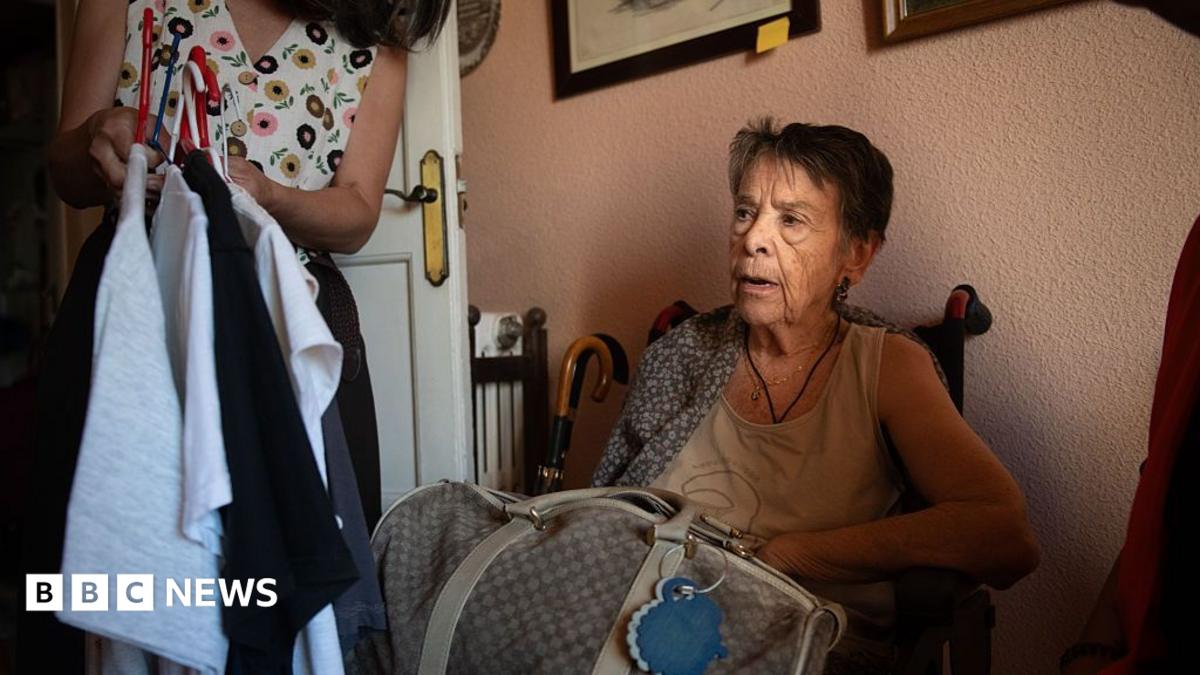
Maricarmen Abascal, the 87-year-old Spanish pensioner whose forced removal from her Madrid apartment ignited mass protests and upended national politics, has died, according to the Madrid Tenants' Union. The union announced her death on Wednesday, describing her as a figure whose ordeal had marked "a turning point in the history of this country." She had been hospitalised since shortly after her eviction and was never able to return home.
Abascal was removed from the flat she had occupied for more than seven decades on 23 September, carried out on a stretcher by authorities after she failed to keep up with steep rent increases. The image of an elderly woman being physically displaced from her long-time home quickly became the defining symbol of Spain's mounting housing crisis, a problem that has been building for years as rents outpace wages and pensions across major cities.
The flat had been in Abascal's family since 1956, when her father signed the original rental agreement. She took over as tenant after her parents died, and for much of that time the rent was protected by a cap that kept it affordable. That changed when the property was acquired in 2018 by Urbagestión, a company that raised the monthly rent from €500 to €2,650 — a more than fivefold increase. The firm later offered to lower the figure to €1,650, but even that reduced sum exceeded Abascal's monthly pension by €300.
Courts blocked three earlier attempts to evict her, and her case drew growing media coverage as her legal options narrowed. The company eventually offered to let her return at a lower rate, but by then she had been admitted to hospital and was too unwell to sign any agreement. The tenants' union said the resolution arrived "too late," calling it an "absolutely avoidable situation after a torturing process."
Union spokesperson Alicia del Río placed blame squarely on speculative property practices, saying: "Speculation costs lives, and today rentierism has finished killing our colleague Maricarmen." She added that Abascal's memory would remain with the movement. The union also vowed to honour Abascal's own parting request, which it quoted as: "fight, keep fighting for what is yours."
In a video recorded from her hospital bed after the eviction, Abascal reflected on her struggle. She said she had not managed to defend her home but had fought so that others could learn to fight for what belongs to them. That message turned her into a rallying figure for tenants' rights campaigners across the country.
Public anger over her situation intensified pressure on Spain's coalition government to act. Lawmakers were urged to approve emergency housing legislation, but the measure was rejected in Congress last week. The defeat prompted further demonstrations, with tens of thousands of people marching in cities nationwide over the weekend demanding reforms to a housing market that many say has become inaccessible for ordinary workers and retirees.
The political consequences were immediate. On Monday, Prime Minister Pedro Sánchez, who leads a leftist coalition without a parliamentary majority, called an early general election for 29 November. He said he needed "a broader progressive majority" capable of overcoming "the resistance of the elites" to deliver housing reform. The election call followed his government's failure to push the emergency legislation through a divided Congress.
The political right has argued that government intervention in the housing market would reduce the number of homes available for rent and drive prices even higher. Conservatives and the hard-right Vox party have opposed the coalition's proposed controls, framing them as counterproductive. Most opinion polls suggest the conservatives are positioned to become the largest party in the next election, though they would likely need Vox's support to form a government.
Sánchez paid tribute to Abascal on Wednesday, writing: "All my love goes to Maricarmen's family and loved ones. A hug as well to everyone who today feels this loss as their own." His message acknowledged the widespread sense of grief and identification that her case had generated far beyond Madrid.
Following the announcement of her death, protesters gathered at Puerta del Sol, one of the capital's central squares, which has served as a protest encampment for the past two weeks. Images from the scene showed demonstrators lighting candles, embracing one another and holding posters bearing Abascal's face. The square has become a focal point for the housing movement that her case helped galvanise.
Earlier on Wednesday, before news of her death emerged, unions had already called a general strike for 11 November, demanding sweeping housing reforms. The strike call reflects how Abascal's eviction has fused housing activism with broader labour and cost-of-living grievances that have been simmering across Spain.
Beyond housing, Sánchez's government has faced difficulties on several fronts, including corruption scandals linked to his party, rising living costs and tensions over immigration. Those accumulated pressures form the backdrop to a snap election that will effectively serve as a referendum on his coalition's handling of the affordability crisis and its ability to govern.
Abascal's death closes a chapter that began with a single eviction notice but grew into a national reckoning over who gets to live in Spain's cities and at what cost. Her case exposed the human stakes behind rent statistics, and it forced housing policy to the centre of the country's political agenda in a way few individual stories ever have. Whether that legacy translates into legislative change now rests with voters heading to the polls in November.
What's Your Reaction?
 Like
0
 Dislike
0
 Love
0
 Funny
0
 Wow
0
 Sad
0
 Angry
0

Reporter Senior. Meliput dinamika politik nasional, kebijakan publik, dan isu parlemen selama 8 tahun. Alumni FISIP UI.






Comments (0)