

Six Flags to retire X2 coaster at Magic Mountain after wave of brain injury claims
Six Flags Magic Mountain in Valencia, California, has confirmed it will permanently retire the X2 rollercoaster, one of the park's signature attractions, following lawsuits and new
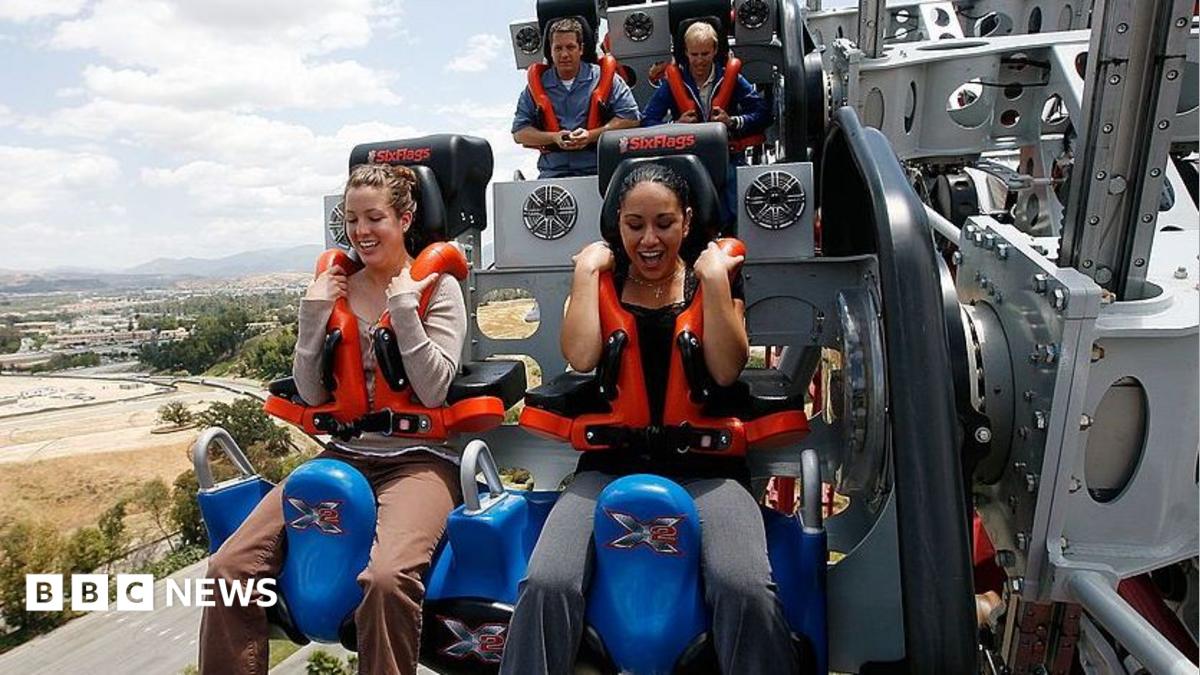
Six Flags Magic Mountain in Valencia, California, has confirmed it will permanently retire the X2 rollercoaster, one of the park's signature attractions, following lawsuits and news reports alleging that hundreds of riders suffered brain injuries after going on the ride. The announcement was made on Tuesday by park president Brian Oerding, and comes roughly two and a half years after the attraction was first taken out of service in July.
The X2 has been closed to the public since July, meaning guests have already been unable to board it for a substantial period while the park weighed its options. It is among the park's most popular rides, drawing long queues thanks to a seating arrangement in which riders are rotated a full 360 degrees during the circuit — a feature that has long been marketed as the source of the ride's distinctive thrill and, according to the allegations now before the courts, potentially the source of its danger.
Six Flags insisted that the decision was not an admission of fault. The company said X2 had passed what it described as a range of safety tests, but that it had concluded retiring the ride was "the right thing to do." In a statement, Oerding said ride safety sits at the centre of the business and that the company takes seriously any situation in which guest confidence is affected — language that pointed to reputational damage as much as to mechanical concerns.
The closure follows a campaign of litigation by personal injury lawyers, including Dordick Law Corporation, which filed civil lawsuits against the park. The firm said it had been contacted by hundreds of people who alleged they suffered injuries they believe were caused by riding X2. In a statement, the lawyers said their clients boarded the attraction expecting excitement but instead suffered lasting harm, adding that some required emergency brain surgery and that others are still attempting to recover their health.
Dordick said the decision to close the ride had arrived too late for the people it represents. While acknowledging that taking X2 off the board protects visitors who have not yet ridden it, the firm said the closure does nothing for those who have already been hurt, and said their claims will continue to be pressed. That distinction — between preventing future harm and compensating past harm — is at the heart of the dispute, and one that a ride closure by definition cannot resolve.
The X2 has a long and troubled history. Originally known simply as X, it opened in 2002 before being shut down only months later for repairs to design flaws, according to the Los Angeles Times. It was closed a second time in 2007 so that its trains could be replaced with lighter versions, and reopened the following year under the X2 name. Since that reopening, the park says, more than 16 million people have ridden the attraction — a figure that helps explain the scale of the claims now being advanced.
One of the most serious cases involves 22-year-old Christopher Hawley, who died after riding X2 in 2022. The family settled a wrongful death lawsuit with the theme park in August, but the attorney representing them said the closure does not go far enough. Brent Wisner of Wisner Baum LLP said the family is relieved the ride is finally being shut, but that this does not alter the fact that Hawley was killed by a machine that had been permitted to operate for nearly two decades.
Wisner used the announcement to press a broader argument about accountability. He said the death of a young man cannot be undone, and called for legal reform, stronger proactive regulation and proper governmental oversight of extreme rides. His central contention is that public safety should not depend on companies choosing to act only once a sufficient number of people have been injured — a framing that shifts the debate away from individual lawsuits and towards systemic regulation of the amusement park industry.
That broader question is the significant one hanging over this story. Six Flags has maintained that the ride was compliant with the safety testing it underwent, yet the volume of alleged injuries described by the firms involved points to a system in which testing, certification and operator self-policing have been questioned rather than vindicated. The BBC's report did not identify any independent or governmental investigation confirming a link between the ride and the alleged injuries, and no regulatory finding against the park was cited. Equally, the park's own statement stops short of detailing what its tests covered or when they were carried out.
For prospective visitors, the practical effect is immediate: one of the park's best-known thrill rides is gone for good, and the queues that once formed for it will be redistributed among the remaining attractions. For the park's wider business, the announcement is a public-relations exercise as much as an engineering one, since Oerding's remarks focused explicitly on guest confidence. For the hundreds of people who say they were hurt, and for the family of Christopher Hawley, the litigation and any legislative response will continue well after the last train has stopped.
The final question raised by the lawyers who acted for Hawley's family is the one to which no one has yet given a clear answer: what, if anything, will replace the X2. Wisner said he hopes that whatever takes its place is safe. Until a replacement is announced — and until the courts and any regulators have had their say — the X2's disappearance closes a ride, but not the argument about who is responsible for the harm it is alleged to have caused.
What's Your Reaction?
 Like
0
 Dislike
0
 Love
0
 Funny
0
 Wow
0
 Sad
0
 Angry
0

Editor Politik. Mantan jurnalis cetak dengan spesialisasi politik elektoral. Menulis analisis kebijakan dan reportase parlemen.






Comments (0)