

Tehran to await US verdict as Trump turns down Hormuz reopening offer
Iran has said it will hold fire on any further move until it receives an official answer from US negotiators, after President Donald Trump rejected a proposal to reopen the Strait
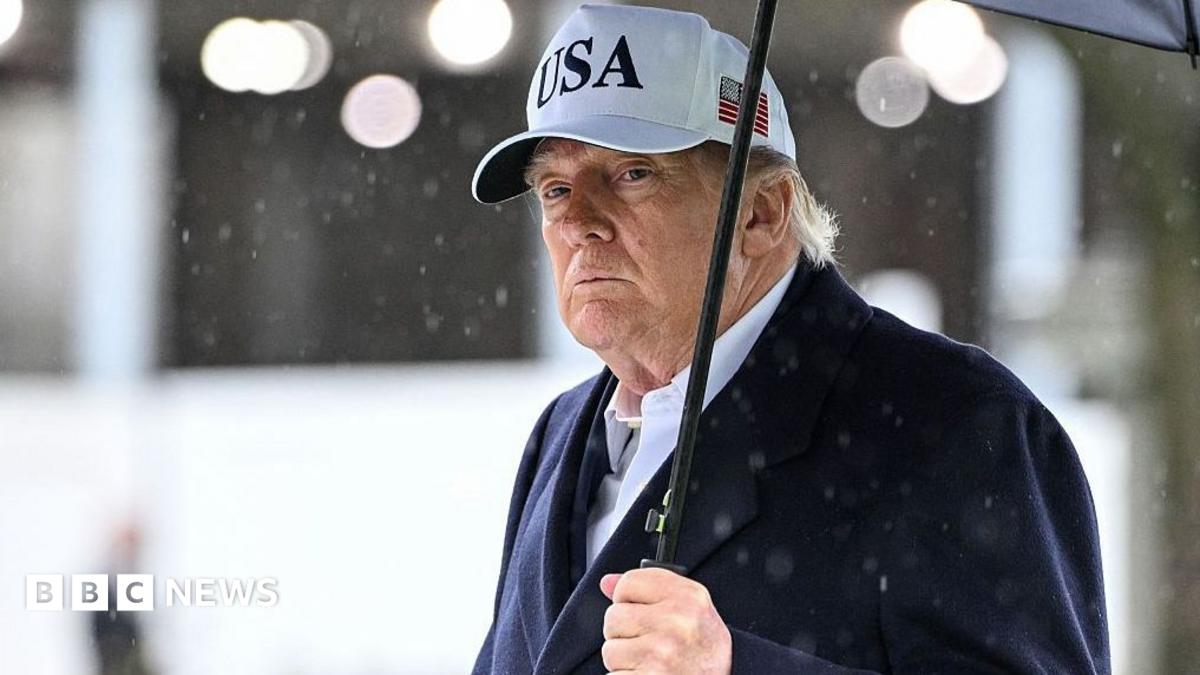
Iran has said it will hold fire on any further move until it receives an official answer from US negotiators, after President Donald Trump rejected a proposal to reopen the Strait of Hormuz to commercial shipping within seven days. The position was set out by Iranian Foreign Minister Abbas Araghchi in a post on Telegram, in which he acknowledged Trump's rejection but accused the US president of making statements that cannot all be true.
The Iranian offer emerged from talks held on the sidelines of the UN General Assembly in New York this past week, where Iran pressed both the reopening of the waterway and an end to hostilities. Araghchi said an agreement could be reached if "necessary conditions are met" between Washington and Tehran — a formulation that suggested talks had not collapsed, even as the White House publicly spurned the terms on offer.
Those conditions, according to Araghchi, were the same ones set out in a memorandum of understanding signed between the US and Iran in June. That points to a dispute over sequencing rather than substance: Tehran appears to have been seeking a staged, conditional restoration of traffic, while the Trump administration has demanded nothing less than an immediate reopening.
The stakes are difficult to overstate. The Strait of Hormuz is the maritime chokepoint through which roughly a fifth of the world's oil and gas supply would normally flow, and it has been effectively closed since war broke out in February. For much of that period, the strait has been the site of attacks on commercial vessels — the very attacks Washington says it is trying to punish through sanctions.
Trump, speaking to reporters at the White House, said Tehran's proposal was not "acceptable" and claimed the Iranian side wanted a deal to open the strait immediately because "they're losing so badly". He went further on Saturday, declaring flatly: "I'm rejecting their deal." At the same time, the president claimed the US already has "total control" of the waterway, with "massive amounts of oil" passing through it — a description that sits uneasily alongside widespread accounts of the strait being effectively shut to routine commercial traffic.
It is that tension, more than the substance of any negotiating package, that appears to have hardened Tehran's public response. Araghchi wrote that Trump "has made many good statements, as well as many contradictory ones, which unfortunately we hear frequently" — a pointed characterisation of a president who has oscillated between bellicose threats and off-the-cuff remarks about deals and control.
Still, the foreign minister left the door deliberately ajar. "We are waiting for the mediators to convey the definitive views to us, and we will make a decision based on them," Araghchi said. The wording suggests Iran is treating Washington's public pronouncements as provisional and reserving its judgement for a formal channel, rather than treating the rejection as the final word.
Oman has been acting as the intermediary between the two governments, and its foreign minister, Sayyid Badr bin Hamad bin Hamood Albusaidi, used his appearance at the UN General Debate to call on all parties to keep talking. He urged that "all parties" cooperate with Oman in efforts to safeguard navigation in the strategic waterway — a reminder that the mediator's own priority is keeping ships moving, not necessarily delivering a US-Iran accord.
Washington's camp has closed ranks behind the president. Matthew Whitaker, the US ambassador to Nato, told Fox News on Saturday that Iran had offered "half measures" and "illusory deals to make themselves look good on the world stage". Concluding that the Iranian offer was not a serious one, Whitaker said it was within "President Trump's right to reject it" — backing a decision that leaves the seven-day framework on the table.
Alongside the diplomatic push, Washington has been leaning hard on economic pressure. Treasury Secretary Scott Bessent said on Saturday that US pressure was taking a toll on Tehran, and posted on X that Turkey, Oman and the United Arab Emirates had halted flights from various Iranian airlines, while some banks in the UAE and Turkey had stopped transactions with Iran — measures that signal the blockade reaching beyond Washington's own borders.
The Trump administration has branded its economic squeeze on Iran "Operation Economic Outcast", and is using sanctions to try to force Tehran to stop attacks on vessels in the strait. The strategy assumes that squeezing the economy will change behaviour on the water. Some economists have questioned whether the latest round of measures will actually work, noting that its success depends heavily on how Iran's major trading partners respond.
China is the critical variable. As the biggest buyer of Iranian oil, Beijing has previously ignored US sanctions and continued doing business with Tehran, and its willingness to keep purchasing crude will do much to determine whether the pressure campaign bites or is simply absorbed.
The Hormuz standoff is the latest front in a broader confrontation that has stretched across the UN General Assembly. Trump threatened to "annihilate" Iran in a speech in New York as officials from both countries met on the sidelines, Iran's president has said it will never "bend the knee", and in London Foreign Secretary Ed Miliband has told an Iranian minister that the UK will not tolerate "hostile activity" on British soil.
For now, the immediate question is procedural rather than historic: whether mediators can deliver a definitive US position, and whether Tehran decides that waiting serves its interests better than responding. Until that answer arrives, the seven-day proposal that Trump discarded remains the most concrete framework on the table — and the strait remains closed.
What's Your Reaction?
 Like
0
 Dislike
0
 Love
0
 Funny
0
 Wow
0
 Sad
0
 Angry
0

Reporter Senior. Meliput dinamika politik nasional, kebijakan publik, dan isu parlemen selama 8 tahun. Alumni FISIP UI.




Comments (0)