

Ten Nepali Guides Missing After Avalanche Strikes Base Camp Near Himlung Himal
At least ten Nepali climbers are unaccounted for after an avalanche tore through a staging camp beneath Himlung Himal, a towering peak in Nepal's Manang district, on Sunday morning
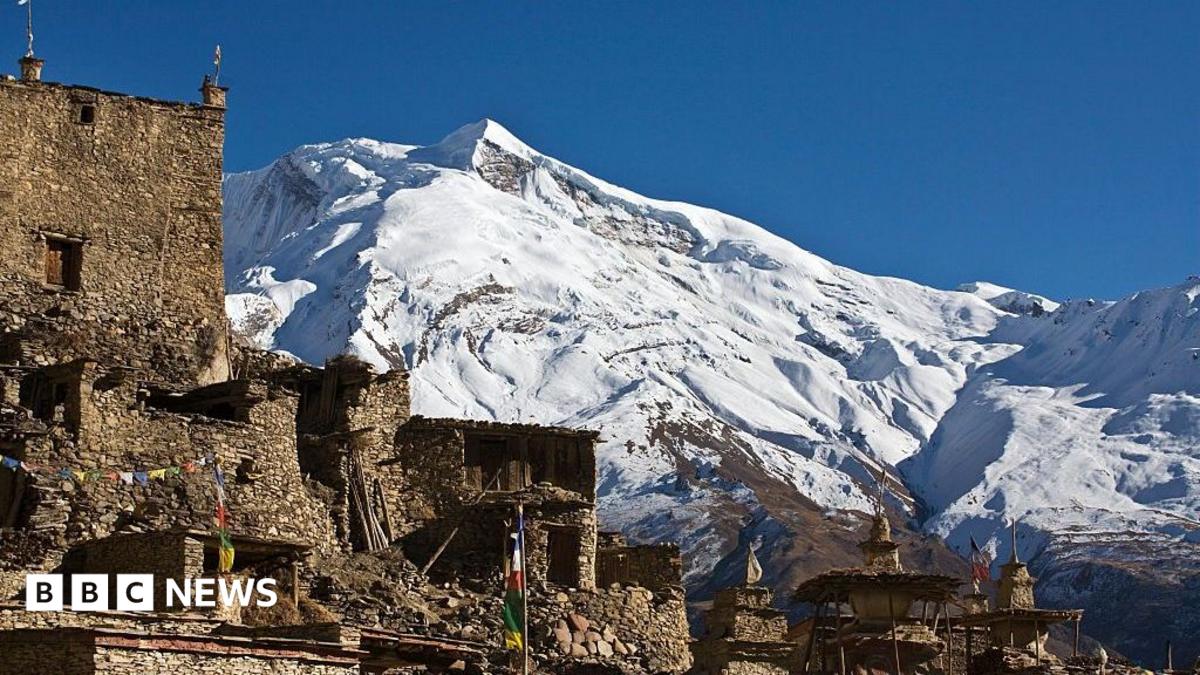
At least ten Nepali climbers are unaccounted for after an avalanche tore through a staging camp beneath Himlung Himal, a towering peak in Nepal's Manang district, on Sunday morning. The missing men were all local guides, part of a team dispatched ahead of foreign clients to prepare the route and establish camps on the mountain.
According to the trekking company organising the expedition, eight of the missing climbers belong to its own staff, while the remaining two were employed by a separate operator. Bibhuti Chand Thakur, a representative of Himalaya Holidays Trekking, confirmed the figures to the AFP news agency, saying the team had been positioned at a point close to the mountain when the snowslide hit.
The guides were performing what is a standard but high-risk task in Nepal's mountaineering industry: fixing ropes, caching supplies and readying camps before paying clients arrive. This advance work, often carried out by Nepali professionals known as Sherpas or high-altitude workers, is essential to commercial expeditions but exposes them to the most hazardous conditions on the mountain.
Himlung Himal rises to 7,126 metres (23,380 feet) and sits on Nepal's northern frontier with Tibet. Forecasts in the days leading up to the disaster indicated heavy snowfall across the region, loading the slopes with unstable snow. That accumulation is widely considered a primary trigger for the kind of avalanche that struck the camp.
Rescue operations have been severely constrained by the weather. Helicopters and ground teams have so far been unable to reach the site because of poor visibility and ongoing precipitation, leaving the fate of the ten men uncertain more than a day after the avalanche. Mountain rescue in the high Himalayas is notoriously difficult even in ideal conditions, with thin air, steep terrain and limited landing zones complicating every mission.
The incident is the latest blow to Nepal's climbing tourism sector, an economic mainstay that draws thousands of foreign mountaineers each year and supports a vast network of guides, porters, cooks and logistics staff. Recent weeks have brought persistent rain and snow to Nepal's mountain districts, creating treacherous conditions across several popular routes.
Earlier this week, climbers were forced to abandon Mount Manaslu, the world's eighth-highest peak, as the risk of avalanches mounted. That evacuation underscored how unusually unstable the snowpack has become this season, prompting operators to reassess schedules and, in some cases, cancel expeditions altogether.
Sunday's avalanche also comes less than two months after six climbers died on Broad Peak in Pakistan. Among the dead was Nirmal Purja, the celebrated British-Nepali mountaineer whose record-breaking feats brought global attention to the achievements of Nepali guides. His death shocked the mountaineering community and highlighted the dangers faced by those who make their living in the death zone.
The tragedy near Himlung Himal is unfolding against a backdrop of wider climate-related disasters in the region. Officials in the neighbouring Indian state of Uttar Pradesh, further south, say extreme weather has killed more than 50 people in recent days.
Meanwhile, recovery efforts continue along the Nepal-Tibet border, where more than 6,000 people remain missing following a massive flood and landslide in August. That disaster, triggered by a glacial collapse in the Himalayas, sent enormous volumes of water and debris surging down the Trishuli River valley, sweeping away entire settlements.
Authorities have confirmed more than 1,400 deaths from that event, making it one of the deadliest glacial-related catastrophes in the region's recent history. The scale of the loss has fuelled debate about the growing risks posed by melting glaciers and erratic weather patterns across the Himalayan range.
For Nepal's guiding community, the latest avalanche compounds a period of profound loss. The country's high-altitude workers accept considerable risk in exchange for wages that underpin families and villages, and each disaster reverberates far beyond the slopes themselves.
Experts have long warned that shifting weather patterns are making once-predictable climbing seasons increasingly unreliable. Heavier snowfalls, sudden warm spells and changing monsoon behaviour can destabilise slopes that were previously considered safe, forcing guides to make split-second judgments in environments where mistakes are often fatal.
As the weather allows, rescue teams are expected to renew efforts to reach the camp near Himlung Himal. Until they do, families of the ten missing men face an agonising wait for news. The incident serves as another sobering reminder of the human cost behind the world's most spectacular mountain adventures.
Related topics include Nepal, the Himalayas and mountaineering, as attention turns once more to the perils faced by those who work at altitude and the environmental changes reshaping the roof of the world.
What's Your Reaction?
 Like
0
 Dislike
0
 Love
0
 Funny
0
 Wow
0
 Sad
0
 Angry
0

Reporter Senior. Meliput dinamika politik nasional, kebijakan publik, dan isu parlemen selama 8 tahun. Alumni FISIP UI.





Comments (0)