

US Grants Visas to Iranian Leadership for UN General Assembly Amid Ongoing War
The United States government has officially approved entry visas for high-ranking Iranian officials, clearing the way for them to attend the upcoming United Nations General Assembl
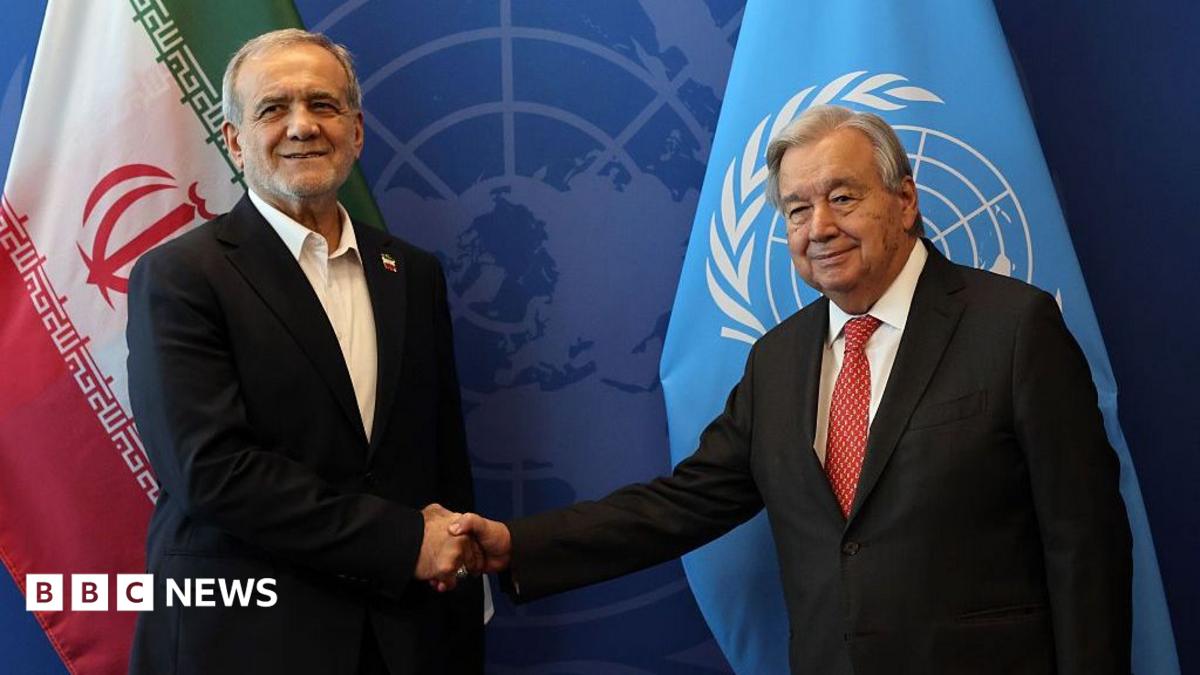
The United States government has officially approved entry visas for high-ranking Iranian officials, clearing the way for them to attend the upcoming United Nations General Assembly in New York. The diplomatic authorization comes at a tense juncture, as direct military hostilities between Washington and Tehran enter their seventh month with no immediate end in sight.
The core delegation permitted to enter American territory will feature Iran’s top political and diplomatic figures. Iranian President Masoud Pezeshkian and Foreign Minister Abbas Araghchi are confirmed to be among the primary officials authorized to represent Tehran at the international summit.
A spokesperson for the US Department of State confirmed the administration’s decision on Thursday, explaining that the move is grounded in the United States' legal responsibilities as the host nation for the United Nations headquarters. The spokesperson stated that, consistent with these host country obligations, the core representation from the Iranian regime would be allowed to participate in the UN General Assembly’s High-Level Week.
While the visas have been authorized, the Iranian diplomatic team will not have free rein during their stay on American soil. US authorities confirmed that the delegation will be placed under strict travel restrictions within New York and will be subject to a series of stringent limitations regarding their activities and conduct.
Furthermore, American officials noted that the visiting Iranian contingent will face explicit prohibitions on purchasing specific domestic commodities, including luxury goods. According to the State Department, the size of Tehran’s delegation this year has also been noticeably scaled back compared to delegations dispatched to the United Nations in previous years.
These commercial and retail bans follow precedent set during past General Assembly meetings. Last year, Iranian envoys were barred from entering wholesale retail outlets such as Costco and were required to obtain formal permission from American authorities before purchasing high-end luxury items, such as luxury automobiles, fine jewelry, and alcohol.
The 81st session of the UN General Assembly is currently underway in New York, with global attention centering on the high-level General Debate scheduled to begin on Tuesday. The week-long debate serves as the premier annual platform for global heads of state and senior diplomats to address international security, diplomacy, and global affairs.
The schedule for the opening day of the General Debate is set to feature addresses from several prominent Western leaders. Speeches slated for Tuesday include presentations from US President Donald Trump, British Prime Minister Andy Burnham, and French President Emmanuel Macron, each addressing the assembled world leaders.
The podium will subsequently turn to leaders from other critical global hotspots on Wednesday. Iran’s leadership is scheduled to speak during Wednesday’s session, sharing the day's speaking roster with the heads of state from Ukraine and Syria during what is expected to be a heavily scrutinized series of addresses.
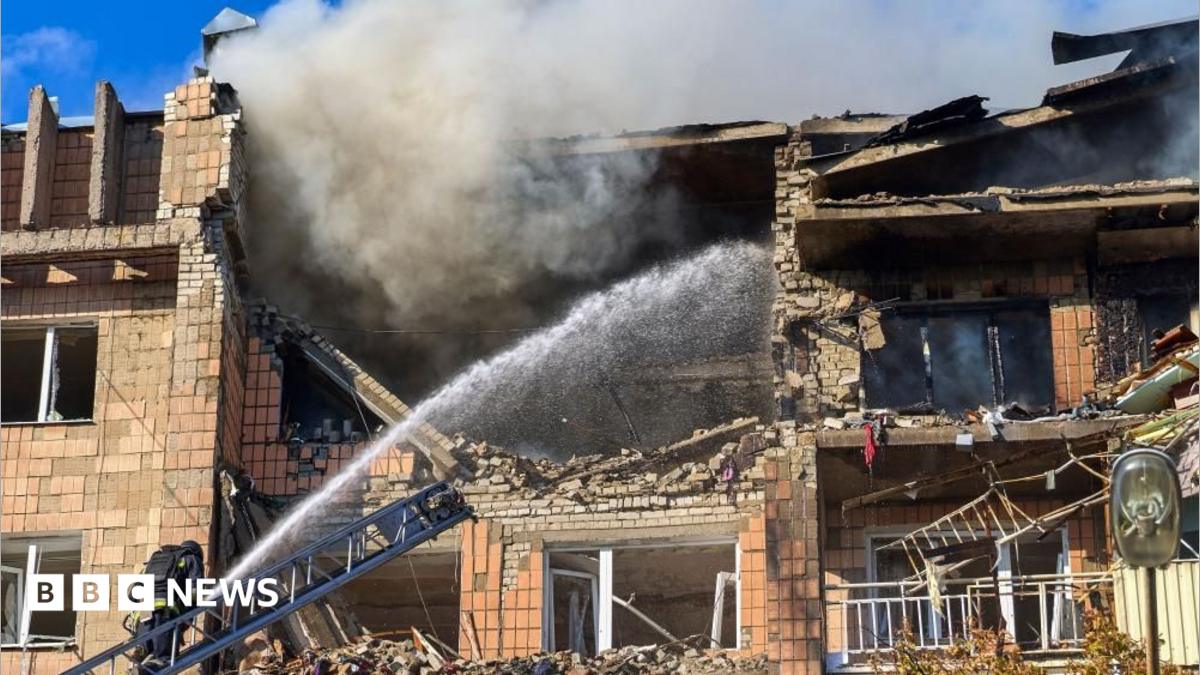
The high-stakes diplomatic gathering takes place against the backdrop of an intensifying war that erupted earlier this year. The conflict officially began on 28 February, when the United States and Israel launched coordinated, joint military strikes against targets inside Iran, pulling the region into open armed warfare.
In response to the opening strikes, Iran has carried out repeated retaliatory operations. Over the past six months, Iranian forces have launched strikes against American military installations in the region, attacked targets inside Israel, and targeted US-allied nations across the Gulf.
The war has generated substantial geopolitical and economic disruption beyond the immediate combat zone. In addition to expanding into neighboring countries across the region, the prolonged hostilities have placed significant upward pressure on global energy markets, driving up fuel and oil prices worldwide.
The continuation of the conflict has also generated domestic challenges for the administration in Washington. Political figures and members of the public have exerted growing pressure on the White House to find a viable path toward ending the war and mitigating the broader economic and military fallout.
The decision to admit Iranian officials stands in stark contrast to the administration's posture toward other regional delegations. The US government recently rejected visa applications for Palestinian President Mahmoud Abbas and the broader Palestinian delegation, blocking them from attending this year’s assembly in person.
The denial marks the second consecutive year that the White House has refused entry to the Palestinian leader and his diplomatic team. US officials have justified the continued exclusion on the grounds that Washington does not recognize the legitimacy of the Palestinian delegation.
As delegates gather for the 81st UN General Assembly, the convergence of wartime leaders and strictly managed delegations in New York highlights the acute diplomatic friction defining this year's international summit.
What's Your Reaction?
 Like
0
 Dislike
0
 Love
0
 Funny
0
 Wow
0
 Sad
0
 Angry
0

Reporter Senior. Meliput dinamika politik nasional, kebijakan publik, dan isu parlemen selama 8 tahun. Alumni FISIP UI.





Comments (0)