

Cornell Rape Case: Defense Attorney Seeks Special Prosecutor's Recusal Over Prior Public Comments
A defense attorney representing one of the seven men accused in a high-profile Cornell University gang rape case has formally requested that New York Attorney General Letitia James
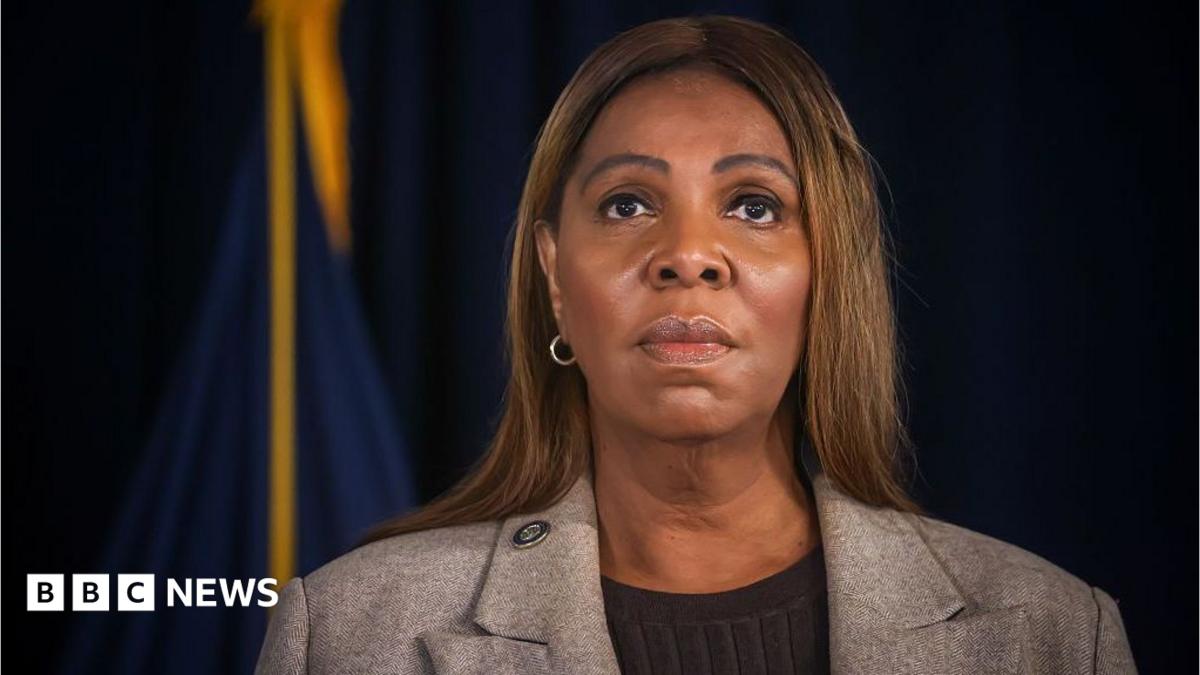
A defense attorney representing one of the seven men accused in a high-profile Cornell University gang rape case has formally requested that New York Attorney General Letitia James step aside from her role as special prosecutor, citing public statements she made before her appointment that the lawyer argues compromise the investigation's neutrality.
The request centers on a social media post from 28 September in which James expressed strong sympathy for the alleged victim, writing that "what this young woman has been forced to endure is horrific and unacceptable" and offering words of solidarity to survivors of sexual violence. The defense attorney contends that these remarks, made just days before Governor Kathy Hochul appointed James to lead the investigation, raise unavoidable questions about whether the probe can be conducted with the independence and objectivity the situation demands.
In a statement provided to CBS News, the BBC's US media partner, the lawyer acknowledged that the request was not an allegation of corruption or bad faith on the attorney general's part. Instead, the attorney framed the issue as a narrow but significant one: a lingering perception problem that voluntary recusal would resolve. According to the statement, the concern is not that James is incapable of performing her duties professionally, nor that any court has determined she is legally disqualified, but rather that an "avoidable question" now hangs over the investigation and could undermine public confidence in its outcome.
The case itself has convulsed the Ivy League campus in Ithaca, New York, since allegations surfaced in a lawsuit filed against the seven men and the university. The suit accuses Cornell of failing to protect a woman identified only as Jane Doe, who says she was drugged and then raped by multiple men over the course of several hours at a fraternity party in October 2024. The allegations have prompted hundreds of students and faculty members to gather in protest, expressing outrage not only at the alleged assault but also at what they describe as institutional failures in responding to it.
Governor Hochul appointed James as special prosecutor last week, tasking her with examining both the underlying allegations and the way law enforcement and university officials handled the initial complaint. The appointment followed reporting that US prosecutors had reopened the case, signaling heightened scrutiny at both the state and federal levels. At a news conference addressing the impartiality concerns, Hochul defended her choice, saying James would "follow the facts" and would "examine the evidence and go wherever it leads." The governor added that if the evidence supports charges, James will pursue them—a statement intended to reassure the public that the investigation will be driven by evidence rather than by prior public commentary.
The defense lawyer's recusal request is the latest development in a case that has drawn national attention and intensified pressure on Cornell's leadership. According to US media reports, the university's Faculty Senate—a governing body composed of professors and other academic staff—is preparing to vote next week on a resolution of no confidence in the administration. While such a vote would be largely symbolic, it would carry significant weight as a signal of broad faculty discontent and would increase pressure on university leaders to take decisive action. The BBC has reached out to Cornell University for comment on the matter.
The controversy surrounding James's prior statements illustrates a recurring tension in high-profile sexual violence cases: the line between expressing empathy for survivors and maintaining the appearance of prosecutorial neutrality. Legal ethics experts often note that prosecutors are not required to be devoid of human compassion, but they must avoid statements that could later be used by defense attorneys to argue bias or prejudgment. In this instance, the defense is not claiming a legal disqualification but rather seeking to eliminate a potential avenue of appeal or challenge should the investigation result in charges. Some legal observers suggest that voluntary recusal, while not legally mandated, could be the cleanest way to insulate the case from prolonged procedural disputes.
At the same time, advocates for survivors have warned that recusal requests can be used strategically to delay or derail investigations into sexual violence, particularly when the prosecutor in question has a track record of pursuing such cases. They argue that sympathy for an alleged victim does not equate to prejudging a defendant's guilt, and that removing a qualified prosecutor solely because she acknowledged the seriousness of the allegations could set a troubling precedent. The debate reflects broader societal disagreements about how the justice system should balance compassion for complainants with the presumption of innocence for the accused.
The Cornell case has also reignited conversations about fraternity culture, campus safety, and the responsibilities of universities under federal law to investigate and respond to reports of sexual assault. Jane Doe's lawsuit alleges that the university failed in its duty to protect her, a claim that Cornell's president has acknowledged in part, saying the university "must do better." That admission, combined with the faculty no-confidence vote and the protests, suggests that the fallout will extend well beyond the criminal investigation itself, potentially prompting reforms in how the university handles such allegations.
For now, the immediate focus remains on whether James will accede to the recusal request. Her office has not indicated whether she intends to step aside, and the governor has publicly expressed confidence in her ability to lead the probe impartially. If James declines to recuse herself, the defense may seek other legal avenues to challenge her involvement, though such efforts face a high bar. If she does step aside, the governor would need to appoint a replacement, further prolonging a case that has already moved slowly since the October 2024 incident.
Regardless of the recusal decision, the case is poised to remain in the national spotlight. The Faculty Senate vote, the ongoing protests, and the reopened federal investigation all but guarantee continued scrutiny of Cornell's handling of the allegations. For the seven accused men, the defense attorney's statement makes clear that their legal team intends to challenge not only the facts but also the process itself. For Jane Doe and other survivors, the outcome will be watched as a test of whether the justice system can respond to sexual violence allegations with both rigor and sensitivity—a balance that this case has made painfully visible.
What's Your Reaction?
 Like
0
 Dislike
0
 Love
0
 Funny
0
 Wow
0
 Sad
0
 Angry
0

Reporter Senior. Meliput dinamika politik nasional, kebijakan publik, dan isu parlemen selama 8 tahun. Alumni FISIP UI.






Comments (0)