

Edward Rukidi Kijanangoma to Be Crowned King of Uganda's Tooro Kingdom Despite Succession Row
Prince Edward Rukidi Kijanangoma Nyabongo I is set to be crowned as the new king of Uganda's Tooro kingdom, capping a remarkable personal journey from state broadcaster to royal th
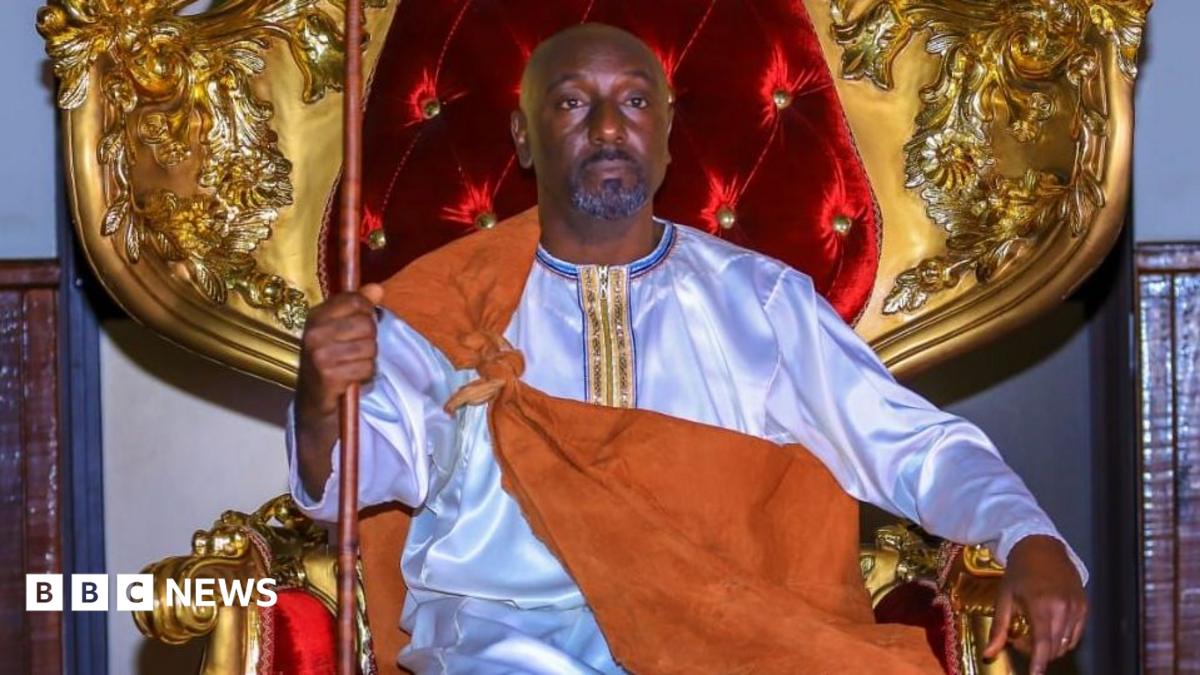
Prince Edward Rukidi Kijanangoma Nyabongo I is set to be crowned as the new king of Uganda's Tooro kingdom, capping a remarkable personal journey from state broadcaster to royal throne. For years, the 56-year-old was a well-known figure in Ugandan media, serving as a long-serving anchor and editor at the national broadcaster. Now, rather than reporting on the news, he has become the story itself, with his accession generating debate and strong reactions both within Uganda and beyond its borders.
The coronation ceremony, which takes place later today, is rooted in deeply held tradition. According to the Tooro kingdom's Information Minister, Charles Mwanguhya, the rituals begin at midnight and involve a series of symbolic acts. The new monarch will walk approximately four kilometres to the official Karuziika royal palace, where the crowning will take place. A mock fight is staged to demonstrate that kingship is not easily attained, after which members of the royal Babiito clan bestow their blessings upon the new ruler.
Further ceremonies follow to mark his assumption of the throne. The climax comes when the king takes his seat and an actual crown is placed upon his head, formally signifying his new authority and position as the leader of Tooro. These practices, according to kingdom officials, are conducted in strict accordance with long-established custom and are intended to underscore the sacred and historic nature of the transition.
Tooro is one of four main kingdoms officially recognised in Uganda. It has been led for the past 31 years by King Oyo Nyimba Kabamba Iguru Rukidi IV, who ascended the throne in 1995 at the age of just three following the death of his father. Known around the world as a "boy king" and then the youngest monarch on the planet, Oyo reigned until his death last month from cancer. He was only 34 years old at the time of his passing.
The selection of Kijanangoma as the next king, however, has been anything but smooth. Under Tooro tradition, a recognised son of the late king is expected to succeed him. Close members of the royal family have said that Oyo left behind a young son and a will containing instructions that the child should inherit the throne. Yet that son has never been presented publicly, and he was not recognised by the committee of 21 Babiito clan members responsible for choosing the next king.
The late King Oyo was never publicly married, and very little is known about his wife or their son. The child's existence was cited by Oyo's mother, Queen Best Kemigisa, who argued that the late king's will should have been honoured. Her appeals, however, were set aside by the royal succession committee, which insisted that its own selection process had been carried out in line with Tooro customs and traditions. As a result, Kijanangoma's path to the throne has been overshadowed by a bitter and very public dispute.
Queen Best Kemigisa has spoken openly about the pain caused by the succession row. She described Kijanangoma's selection as the "announcement of a second king" made after the will of King Oyo had been read to members of the royal family. In her view, the celebrations for the next king took place disturbingly close to where her son's body lay. "As a mother, that was extraordinarily painful," she said, capturing the deep emotional toll of the controversy.
The queen also stated that Oyo's son, who was in the US state of Texas, had been expected to return home, but that the plan could not proceed amid what she called a tense and polarised succession dispute. In a post on X, she asserted that no child should be placed in a situation where returning to his father's homeland could mean being drawn into hostility and conflict. Her remarks highlighted the personal dimensions of a royal crisis that has gripped the kingdom.
The Tooro kingdom's information minister, however, has offered a different perspective. According to Mwanguhya, the son being discussed "hasn't been presented anywhere," which he said has led to a growing acceptance that, however sad it may be, King Oyo did not leave a son behind. This position forms the basis on which the succession committee proceeded to identify and confirm Kijanangoma as the rightful heir.
While King Oyo inherited the crown directly from his father, Mwanguhya explained that the crown has now moved to a different line within the ruling clan. According to royal palace sources, a king must come from the Babiito clan, specifically from the lineage of King George David Matthew Kamurasi Rukidi III. Kijanangoma and the late King Oyo were cousins, both being grandsons of Rukidi III, the 11th king, or Omukama, who ruled Tooro from 1928 until 1965.
Kijanangoma was not the only candidate considered for the role. Among those discussed was Prince George Desmond Kamurasi, a footballer who plays for one of the UK's best-known amateur clubs and serves as captain and goalkeeper for South East Dons. According to the succession committee, the prince declined the offer of the throne, citing other responsibilities. His decision cleared the way for Kijanangoma, who was formally announced as the next king.
After his selection was made public, Kijanangoma pledged that the palace would remain open to the people. He also promised to focus on unity and development, striking a conciliatory tone amid the controversy. "I ask you for one thing – they have given me this title as king but I cannot work alone, I have to work with you," he said, signalling his intention to govern with the support and participation of his subjects.
Uganda's traditional kings hold no formal political authority, but they continue to wield considerable cultural influence and command deep loyalty in the communities they lead. The country is home to four main kingdoms, the largest and most prominent of which retain significant symbolic importance. President Yoweri Museveni was photographed with the late King Oyo in 2010, a reminder of the restored relationship between the central government and the traditional institutions he reinstated in the 1990s.
The new king thus takes on a role that is ceremonial in constitutional terms yet deeply meaningful to the people of Tooro. His coronation marks both a new chapter for the kingdom and the continuation of a tradition that has survived decades of political change. Whether he can heal the divisions opened by his contested selection will be one of the defining challenges of his reign.
What's Your Reaction?
 Like
0
 Dislike
0
 Love
0
 Funny
0
 Wow
0
 Sad
0
 Angry
0

Reporter Senior. Meliput dinamika politik nasional, kebijakan publik, dan isu parlemen selama 8 tahun. Alumni FISIP UI.





Comments (0)