

US Prosecutors Add Torture Conspiracy Charges Against Venezuela's Nicolás Maduro and Wife Cilia Flores
Federal prosecutors in the United States unveiled fresh criminal allegations on Thursday against Venezuela's deposed former president, Nicolás Maduro, and his wife, Cilia Flores, a

Federal prosecutors in the United States unveiled fresh criminal allegations on Thursday against Venezuela's deposed former president, Nicolás Maduro, and his wife, Cilia Flores, accusing the couple of conspiring to commit torture. The new charges, made public in a superseding indictment, expand a case that already includes narcoterrorism, drug trafficking, money laundering and weapons offenses — counts both defendants have consistently denied.
The torture conspiracy allegations center on the treatment of detainees, including American citizens, held in Venezuela during Maduro's years in power. According to the indictment, the former first couple entrenched themselves in office by overseeing a repressive apparatus built on violence against political opponents, arbitrary arrests and the abuse of prisoners. Prosecutors say the mistreatment of inmates was not incidental but a deliberate instrument of control.
The court document describes a catalog of abuse that allegedly included electric shocks, asphyxiation, rape, forced nudity, prolonged isolation, starvation, punishment cells and psychological torment. Among the psychological methods cited were threats to kill victims' family members, including children. Speaking outside the courthouse, prosecutors said the conduct was carried out to ensure that Maduro and Flores preserved their grip on power, and that it inflicted serious harm on Americans.
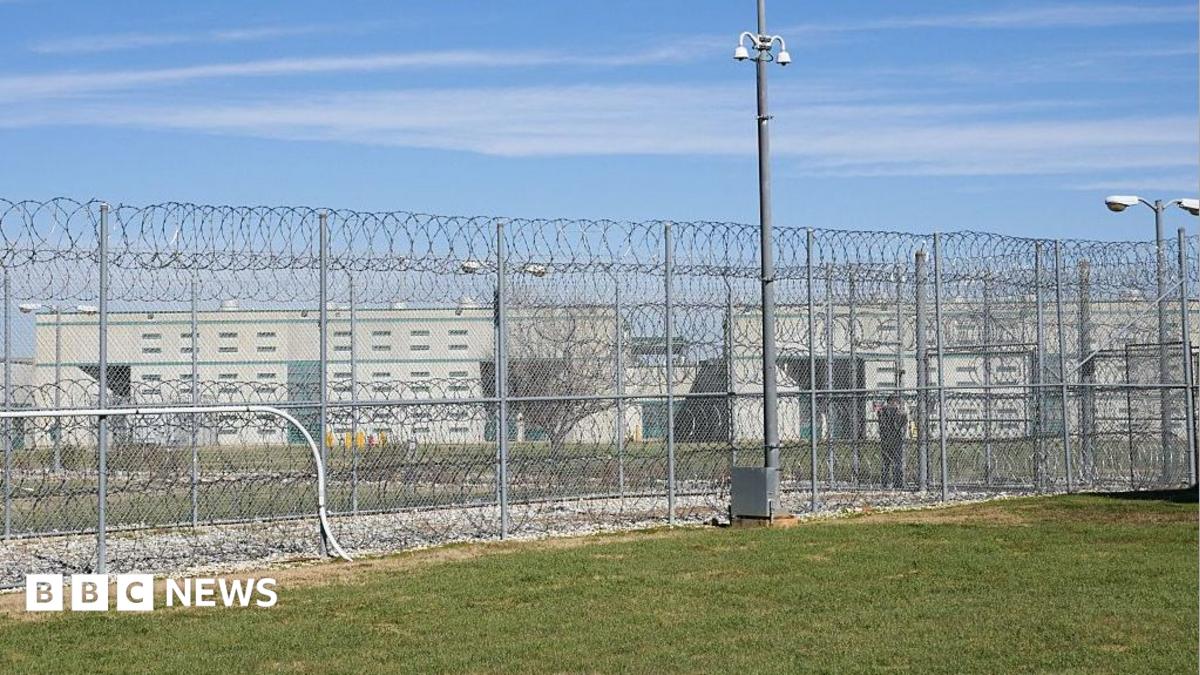
Maduro, 63, and Flores, 69, have been in US custody since January, when American forces seized them during a pre-dawn operation at their compound in Caracas, the Venezuelan capital. They are being held at a detention center in Brooklyn, New York. Barry J Pollack, Maduro's attorney, said his client rejects the new accusations and looks forward to presenting his defense in court.
Thursday's announcement also brought a significant development for Flores: prosecutors added her to the earlier narco-terrorism count. In addition, the indictment accuses her of playing a central role in building and operating the repressive system, alleging that she ordered individuals to be tortured and received updates on the abuse of specific prisoners. The document further claims she took those actions to shield family members involved in illegal activities.
A judge on Thursday declined Flores's request to be transferred to house arrest, meaning both defendants are expected to remain in detention in Brooklyn. A trial for the couple is scheduled to begin in June 2027, leaving a lengthy pretrial period during which further motions and evidentiary disputes are likely.
The allegations in the superseding indictment echo accounts long provided by former prisoners released from Venezuelan detention. Javier Tarazona, who leads a human rights organization in Venezuela, told BBC Mundo earlier this year that he and his brother were confined to a tiny punishment cell for 46 days following their arbitrary arrest. Another former inmate, Ángel Godoy, described being held in isolation for months and being prevented from contacting his wife, who was kept unaware of his whereabouts.
Maduro's removal from power led to a dramatic political transition in Venezuela. His vice-president, Delcy Rodríguez, was sworn in as interim leader with backing from the Trump administration. Under an amnesty law introduced since she assumed power, hundreds of political prisoners have been freed. Yet prisoners' rights group Foro Penal estimates that more than 300 remain behind bars, a figure that underscores the scale of the challenge facing the interim government.
The human rights situation in Venezuela continues to draw international scrutiny. United Nations High Commissioner for Human Rights Volker Türk said in March that his office had received reports alleging that detainees were still being tortured even after Maduro's seizure. Türk warned that "structural and systemic human rights concerns" had persisted in the country despite the change in leadership. Venezuela's foreign minister at the time dismissed the remarks, accusing Türk of repeating the agenda of "extremists."
The new charges against Maduro and Flores therefore arrive at a delicate moment, intersecting with broader questions about accountability, the treatment of prisoners and the credibility of Venezuela's transition. For US prosecutors, the case represents an effort to hold a former head of state and his closest associate responsible for abuses allegedly committed against American citizens and political opponents alike. For the defendants, the expanded indictment adds further legal exposure to an already severe set of accusations.
Legal observers note that charging a former president with torture conspiracy raises complex questions about evidence, extraterritorial jurisdiction and the politicization of justice. The prosecution will likely rely on testimony from former detainees, documentary records and possibly cooperating witnesses. Defense lawyers are expected to challenge the reliability of such evidence and to argue that the case is driven by political motives rather than law.
The scheduled June 2027 trial ensures the matter will remain in the public eye for well over a year. In the meantime, Maduro and Flores will stay in Brooklyn's detention facility, their liberty hinging on a judicial process that could carry decades in prison if convictions are secured. For Venezuelans both inside and outside the country, the proceedings represent a rare attempt to litigate the abuses of an era that many hoped had ended — even as reports suggest that torture and political imprisonment have not disappeared.
What's Your Reaction?
 Like
0
 Dislike
0
 Love
0
 Funny
0
 Wow
0
 Sad
0
 Angry
0

Reporter Senior. Meliput dinamika politik nasional, kebijakan publik, dan isu parlemen selama 8 tahun. Alumni FISIP UI.



Comments (0)