

Texas Executes Jamaal Howard by Lethal Injection, Defying Fears Sparked by Christa Pike's Failed Execution
Texas carried out its first execution since Tennessee's botched attempt to put Christa Pike to death last week, administering a fatal dose of pentobarbital to 46-year-old Jamaal Ho
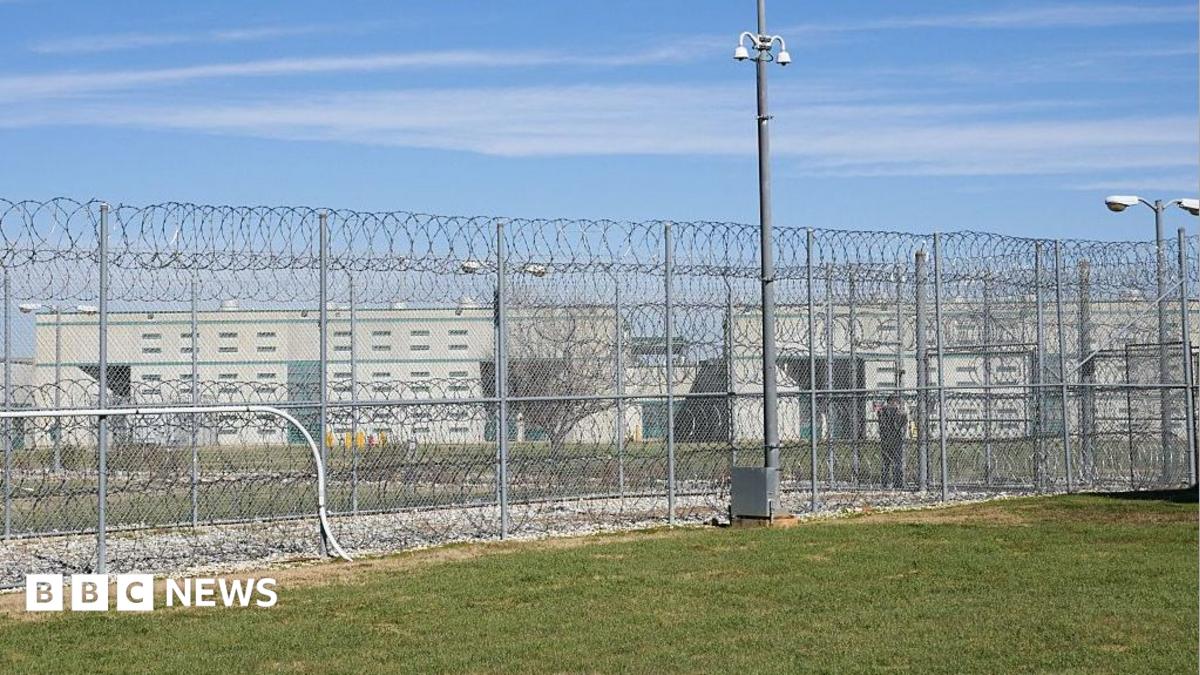
Texas carried out its first execution since Tennessee's botched attempt to put Christa Pike to death last week, administering a fatal dose of pentobarbital to 46-year-old Jamaal Howard on Wednesday evening at the state prison in Huntsville. He was pronounced dead at 20:03 local time, ending a frantic legal scramble by his defense team to halt the procedure amid mounting concerns about the reliability of the state's lethal injection drugs.
Howard's execution marked the first in the United States since Pike's failed lethal injections in Tennessee, an event that has intensified scrutiny of capital punishment protocols nationwide. His attorneys had argued that because Texas planned to use the same drug—pentobarbital—that was administered to Pike, Howard faced identical risks of a prolonged or painful death. They further alleged that Texas' supply of the drug had deteriorated over time, mirroring claims made by Pike's legal team in Tennessee.
The path to Howard's execution was paved with repeated legal defeats for his defense. According to the BBC's US partner, CBS News, Howard's lawyers petitioned a judge to pause the procedure in light of Pike's botched injections, but courts denied their requests twice. Late Wednesday, the US Supreme Court also turned down their appeal, clearing the way for the state to proceed. The rejections came despite forceful warnings from Howard's legal team about the precedent Texas was about to set.
In their filings, Howard's attorneys invoked Tennessee's recent experience directly, cautioning that Texas appeared ready to follow a path that had already produced troubling outcomes. "Texas should not be eager to follow in Tennessee's footsteps; a stay would keep that from happening," they argued, as reported by CBS. The appeal to the Supreme Court represented a final attempt to prevent what they characterized as an unnecessary risk to their client.
Beyond the courts, Howard's legal team also sought intervention from Texas Governor Greg Abbott, a Republican, requesting a 30-day delay so they could gather additional information about the drug intended for use in the execution. The governor declined to grant the reprieve, leaving the execution on schedule. The refusal underscored the limited avenues available to death row inmates challenging execution protocols in Texas, a state that has long led the nation in carrying out capital punishment.
Howard's conviction stemmed from a 2000 robbery that turned fatal. He was 20 years old when he shot Vickie Swartout, a 42-year-old convenience store clerk working in Texas. During the robbery, Howard stole a carton of cigarettes and $114 from the cash register. He was subsequently convicted and sentenced to death for Swartout's murder, a case that has now become entangled with broader questions about the methods states use to execute prisoners.
When offered the opportunity to make a final statement before his execution, Howard addressed the victim's family, who watched from a witness room, according to US media reports. He expressed remorse for his actions and asked for forgiveness. "I wish that you accept my apology, and I wish for your forgiveness," Howard said. "I'm sorry for what happened. I wish you can learn to forgive me one of these days." The apology marked the final moments of a life that had been defined, in legal terms, by the crime he committed at 20.
The execution has thrust Texas into the center of a national conversation about the death penalty that has been reignited by Pike's failed execution in Tennessee. Pike's case drew widespread attention after her lethal injections did not proceed as planned, leaving her lawyers to describe her as "angry and confused" in the aftermath. The incident raised fresh questions about whether states have access to reliable supplies of execution drugs and whether aging stockpiles can be trusted to perform as intended.
Tennessee's difficulties with Pike's execution have had ripple effects across the country. Death penalty opponents have pointed to her case as evidence that the machinery of capital punishment is increasingly prone to failure, particularly as pharmaceutical companies have restricted the supply of drugs used in executions and states have turned to compounding pharmacies and older stockpiles. Texas' decision to proceed with Howard's execution using the same drug at issue in Pike's case suggested that the state was unwilling to pause its execution schedule despite the concerns raised.
Howard's attorneys had built their appeals around the argument that Texas' pentobarbital supply had degraded, potentially compromising its effectiveness. They contended that using a drug of questionable potency violated the Eighth Amendment's prohibition against cruel and unusual punishment. The courts, however, were not persuaded, and the Supreme Court's denial of the final appeal late Wednesday signaled that the justices saw no legal basis to intervene at that stage.
The execution also highlighted the limited power of governors in the final hours before a scheduled lethal injection. Governor Abbott's decision not to grant a 30-day delay echoed his approach in previous capital cases, where he has generally declined to intervene unless there are extraordinary circumstances. The request for additional information about the drug's provenance and quality was not enough to persuade him to act, leaving Howard's legal team with no remaining options.
For Texas, the execution proceeded as scheduled, maintaining a pace of capital punishment that has no parallel in other states. But the shadow of Pike's failed execution looms over the proceedings. Legal experts have noted that if similar problems arise in Texas or elsewhere, the political and legal fallout could be significant. The reliance on pentobarbital—a drug that has become a mainstay of executions even as its manufacturers have sought to distance themselves from the practice—remains a subject of intense litigation and debate.
Wednesday's execution was, in one sense, a routine application of Texas law. But in the context of Pike's ordeal, it carried added weight as a test of whether states can continue to carry out lethal injections without the complications that have emerged in Tennessee. For Howard, the question was settled at 20:03 local time. For the broader debate over capital punishment in America, the questions raised by his execution—and by Pike's before it—are only likely to grow more pressing.
What's Your Reaction?
 Like
0
 Dislike
0
 Love
0
 Funny
0
 Wow
0
 Sad
0
 Angry
0

Reporter Senior. Meliput dinamika politik nasional, kebijakan publik, dan isu parlemen selama 8 tahun. Alumni FISIP UI.






Comments (0)