

Flash Floods and Extreme Downpours Batter Eastern Spain, Leaving One Dead and Halting Travel Across Catalonia and Valencia
Severe flash flooding triggered by torrential downpours has swept across northeastern and eastern Spain, resulting in at least one death and unleashing widespread disruption across
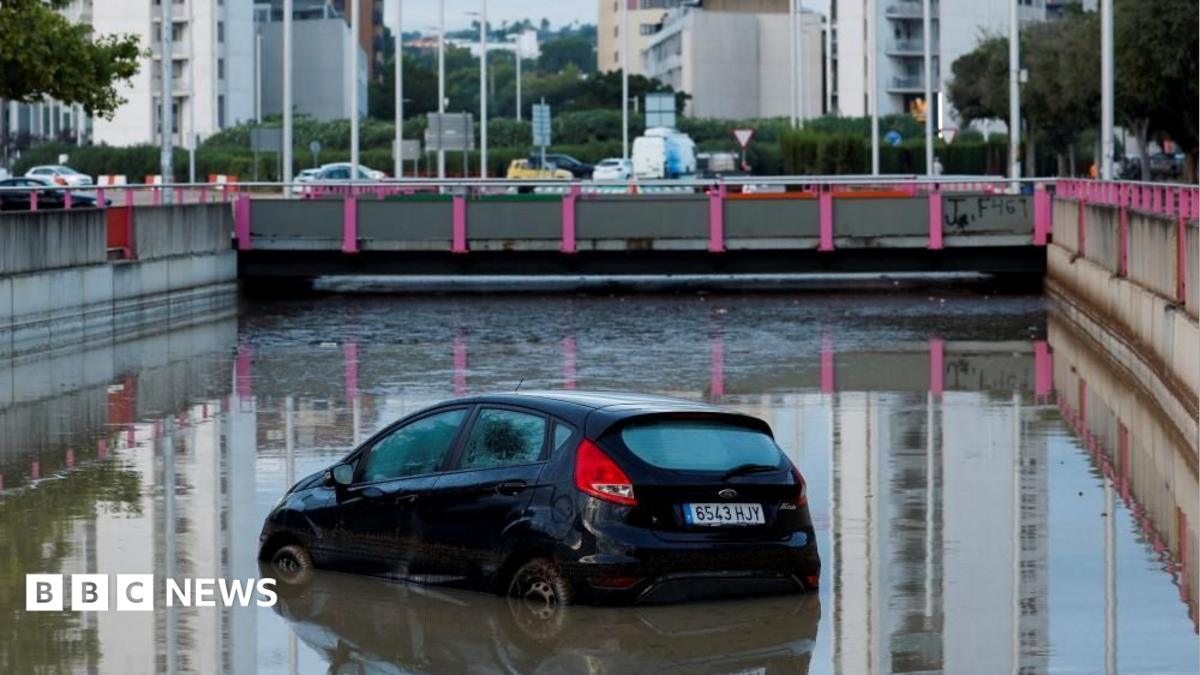
Severe flash flooding triggered by torrential downpours has swept across northeastern and eastern Spain, resulting in at least one death and unleashing widespread disruption across transportation networks and municipal infrastructure. Emergency response teams across the autonomous communities of Catalonia and Valencia were placed on high alert as surging floodwaters submerged roadways, forced transit suspensions, and created hazardous conditions for thousands of residents.
The single confirmed fatality occurred in Olivella, a municipality situated approximately 40 kilometres (25 miles) west of Barcelona. Regional emergency personnel and firefighters confirmed that they recovered the body of a man on Thursday after his vehicle was overtaken by a swollen stream and swept away in the deluge. Catalan fire authorities, communicating updates via social media on X, noted that rescue workers had recovered the victim's remains after an intensive search, correcting previous official reports that had initially misidentified the deceased individual as a woman.
The fatal incident followed intense meteorological alerts issued across Spain's eastern seaboard. The national weather agency, AEMET, issued warnings on Wednesday for dangerous downpours across several eastern provinces, which included a top-tier red alert specifically covering the densely populated coastal territory around Barcelona as the weather system intensified.
The massive volume of rainfall across Catalonia placed an immense strain on local emergency services. Dispatch centers throughout the region reported receiving more than 850 emergency telephone calls connected to the torrential weather, leading emergency crews to log and respond to more than 500 discrete incidents across the territory.
In the metropolitan center of Barcelona, urban transit networks suffered severe disruption as stormwater infiltrated key transit arteries. Multiple metro stations were forced to close their entrances, municipal bus routes were redirected away from inundated streets, and regional commuter train operations experienced substantial cancellations and delays.
Aviation was similarly disrupted at Josep Tarradellas Barcelona-El Prat Airport, where incoming and outgoing flights were delayed or cancelled as the downpour swept across the coastal runways. Across the surrounding metropolitan area, videos shared on social media platforms captured scenes of partially submerged cars, while emergency responders worked to reach motorists stranded inside flooded roadway underpasses.
South of Catalonia, neighboring Valencia experienced exceptionally violent cloudbursts that overwhelmed local infrastructure in a matter of minutes. According to the Valencian Meteorological Association (AVAMET), several municipalities in the region recorded rainfall totals exceeding 70 millimetres (2.76 inches) within a single 30-minute window.
In an assessment shared on X, AVAMET underscored the historic nature of the deluge, stating that meteorologists have rarely documented such massive volumes of rain accumulating in just half an hour. The rapid downpour instantly exceeded the capacity of local drainage systems, converting urban streets into fast-flowing torrents.
Emergency coordination officials in the province of Valencia registered a total of 478 incidents linked to the storm. The vast majority of these emergency responses involved flooded residential and commercial properties, structural water leaks, and severe traffic blockages across major transit corridors.
Within the regional capital of Valencia, public transportation was brought to a virtual standstill. Municipal authorities suspended operations across all city metro lines, while the city's airport was forced to shut down entirely for several hours, requiring incoming flights to divert to alternative airports.
The severe weather also forced the cancellation of major public events in Valencia, including professional sporting fixtures. A scheduled football match between Levante and Athletic Bilbao had to be postponed after extreme rainfall left the pitch at the Estadi Ciutat de València completely waterlogged and floodwater leaked into the stadium's player tunnel.
In response to the unfolding regional emergency, political leaders issued urgent appeals for caution. Spanish Prime Minister Pedro Sanchez publicly addressed the crisis, warning the population that the country was grappling with "very complicated situations" and urging citizens to heed official guidance by avoiding all unnecessary travel until the weather system cleared.
The catastrophic weather comes on the heels of an exceptionally severe summer across the Iberian Peninsula. Spain recently emerged from its hottest summer on record, which was immediately followed by unseasonably high temperatures during the opening weeks of September.
Climate scientists emphasize that human-driven climate change is significantly amplifying the severity of the Mediterranean storms that historically impact eastern Spain during the autumn months. As global temperatures rise, the Mediterranean Sea absorbs vast quantities of heat throughout the summer period, which dramatically increases atmospheric evaporation rates and supplies storm systems with excessive moisture, resulting in much heavier and more violent downpours.
The latest deluge has struck a region that remains deeply traumatized by severe weather disasters, arriving less than two years after catastrophic flooding in Valencia claimed more than 230 lives. The recurrence of lethal flash flooding highlights the continuing environmental risks facing Spain's eastern coastline as climate patterns become increasingly volatile.
What's Your Reaction?
 Like
0
 Dislike
0
 Love
0
 Funny
0
 Wow
0
 Sad
0
 Angry
0

Fact Checker Politik. Memverifikasi klaim publik, pidato pejabat, dan informasi viral. Anggota jaringan cek fakta Indonesia.






Comments (0)