

Gas Leak Suspected After Explosion Rips Through Sneaker Shop in Indonesia's Surabaya, Injuring Five
An explosion tore through a sneaker shop in Indonesia's second-largest city on Tuesday, injuring five people and damaging dozens of buildings, according to authorities who said the
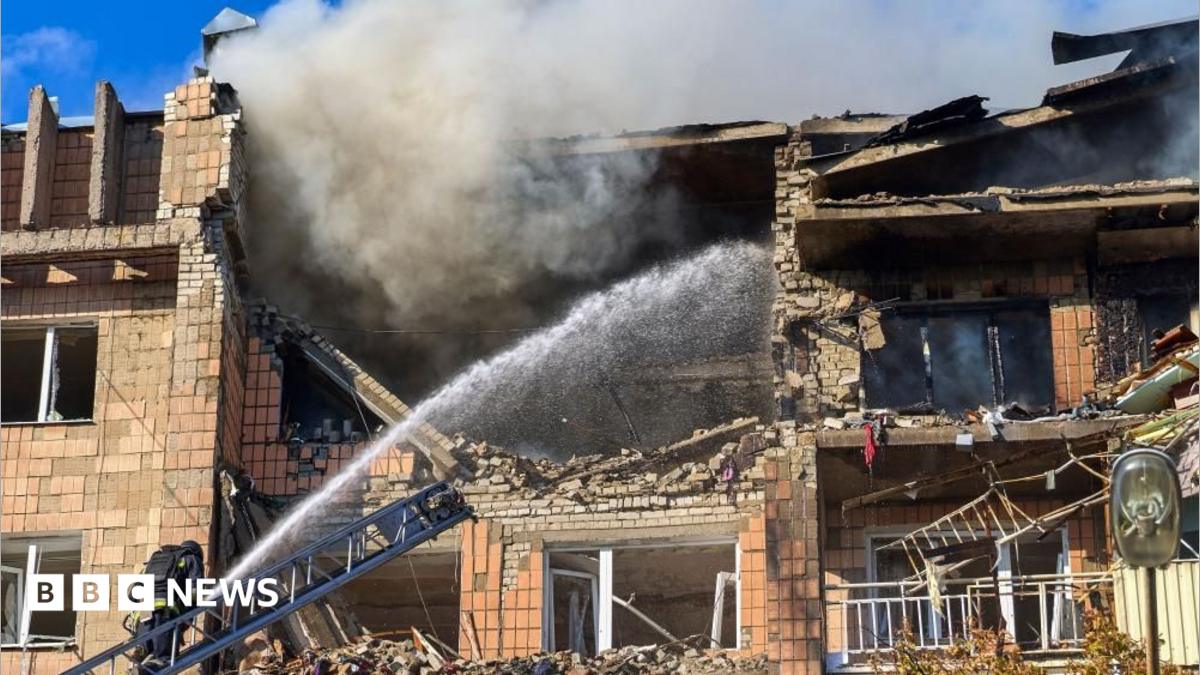
An explosion tore through a sneaker shop in Indonesia's second-largest city on Tuesday, injuring five people and damaging dozens of buildings, according to authorities who said the blast was most likely caused by a gas leak.
The incident occurred in the San Antonio area of Surabaya, East Java's provincial capital, and was captured on closed-circuit television footage that showed the moment the storefront was violently destroyed. The video, released by Indonesian authorities, depicts a powerful blast that shattered the shop's wall and sent rows of displayed footwear flying through the air as debris scattered across the surrounding area.
Police confirmed that five people had been taken to hospital following the explosion. There was no immediate word on the severity of their injuries or their current medical condition.
Investigators said the incident was "strongly suspected" to have resulted from a gas leak. According to police statements, no suspicious substances or explosive materials were discovered at the scene, a finding that appears to rule out an intentional bombing or a deliberate attack.
The scale of the destruction extended well beyond the shop itself. Authorities reported that at least 41 buildings in the vicinity had been damaged by the force of the explosion, underscoring the intensity of the blast in what is a densely populated commercial and residential district.
Surabaya, located on the northeastern coast of Java, is home to more than three million people and serves as a major port and industrial hub. The San Antonio area where the explosion took place is a busy commercial neighborhood, and such districts in Indonesian cities typically feature closely packed storefronts, workshops and homes, which can amplify the impact of any single incident.
The CCTV footage has drawn widespread attention because it captures the precise instant of the explosion. In the video, the sneaker shop's wall appears to give way almost instantly, with shelves of shoes knocked outward as the structure fails. Such imagery is often used by authorities both to assess the cause of a blast and to inform the public about what occurred.
Gas leaks are a recurring safety concern in Indonesia, where liquefied petroleum gas is widely used for cooking and commercial purposes, and where regulatory oversight of small businesses and residential connections can vary. In past incidents across the country, leaks from canisters, pipelines or aging infrastructure have led to explosions in homes, restaurants and shops, sometimes with fatal consequences. While the Surabaya blast has not been linked to any specific gas source at this stage, the police assessment points to that direction.
The fact that no explosive residue or suspicious materials were found is significant from an investigative standpoint. In cases where terrorism or criminal intent is suspected, forensic teams typically search for chemical traces, detonators or other components. The absence of such evidence, combined with the preliminary gas-leak hypothesis, suggests authorities are treating the event as an industrial or domestic accident rather than a security incident.
Emergency responders were deployed to the scene to treat the injured and secure the area. Local officials have not yet released a full accounting of the damage, but the figure of at least 41 affected buildings indicates that a substantial recovery and assessment operation is likely to follow. Structural inspections may be necessary to determine whether any of the damaged buildings are at risk of collapse.
The explosion also raises questions about safety protocols for small businesses operating in dense urban environments. Sneaker shops and similar retail outlets often store flammable materials, including rubber, adhesives and packaging, which can intensify a fire or blast. If a gas leak was indeed the trigger, investigators will likely examine whether proper ventilation, leak detection and maintenance standards were in place.
Authorities have not named any of the injured or provided details about whether they were employees, customers or passers-by at the time of the blast. The timing of the explosion, described in the source material as having occurred shortly before the report was published, suggests it happened during business hours or a period of active street traffic.
Indonesia has seen a number of high-profile explosions in recent years, ranging from accidental gas blasts to deliberate attacks. The distinction matters greatly for public perception and official response. In this case, police have been careful to describe the gas leak as a strong suspicion rather than a confirmed cause, reflecting the early stage of the investigation.
Further forensic analysis and witness interviews are expected as authorities work to establish exactly what happened. The CCTV video will serve as a key piece of evidence, allowing investigators to study the blast's origin point, the direction of the shockwave and the sequence of structural failure.
For now, the focus remains on the injured and on assessing the damage to surrounding properties. The incident serves as a reminder of the risks associated with gas infrastructure in rapidly urbanizing areas, and it may prompt local officials to review safety inspections in Surabaya's commercial districts.
The BBC reported the story as part of its ongoing coverage of events in Asia, publishing the CCTV footage alongside confirmation from Indonesian authorities. The article noted that police had ruled out the presence of suspicious substances or explosives at the site, reinforcing the gas-leak theory as the leading line of inquiry.
As the investigation continues, residents of the San Antonio area face the immediate aftermath of a blast that damaged dozens of buildings and sent five people to hospital. The coming days are likely to bring further updates on the condition of the injured, the extent of structural damage and the conclusions of forensic teams examining the cause of the explosion.
What's Your Reaction?
 Like
0
 Dislike
0
 Love
0
 Funny
0
 Wow
0
 Sad
0
 Angry
0

Editor Politik. Mantan jurnalis cetak dengan spesialisasi politik elektoral. Menulis analisis kebijakan dan reportase parlemen.





Comments (0)