

Ghana Cracks Down on 'Money Bouquets': Seven Women Arrested for Defacing Cedi in Accra
Ghanaian law enforcement authorities have detained seven individuals in what has become the most significant enforcement action to date against the practice of transforming the nat
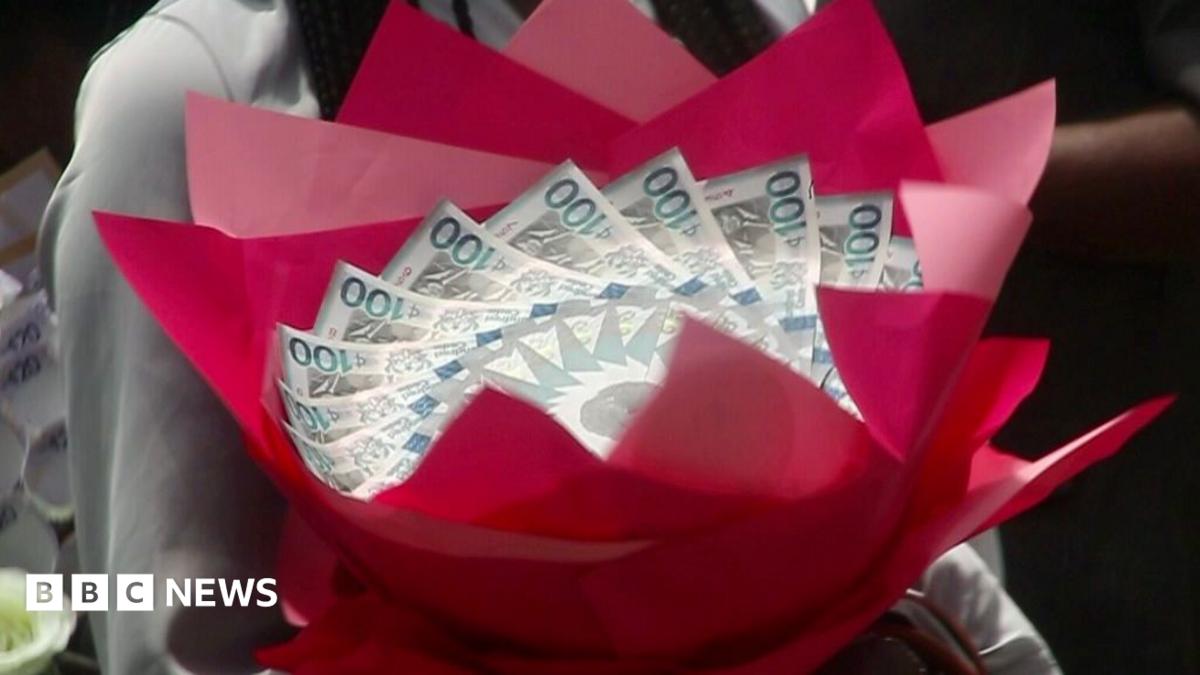
Ghanaian law enforcement authorities have detained seven individuals in what has become the most significant enforcement action to date against the practice of transforming the nation's currency into decorative items. The arrests, executed in the capital city of Accra, targeted women accused of crafting and selling ornamental arrangements using Ghanaian cedi banknotes, a trend that has gained considerable popularity at celebrations across the country in recent years.
The operation was conducted jointly by the Bank of Ghana and local police forces following intelligence received about the illegal trade. According to official statements, the suspects were apprehended during a coordinated swoop across multiple locations within Accra, where they allegedly peddled the elaborate cash-based creations to customers seeking distinctive gifts for various social occasions.
The Bank of Ghana has made clear that utilizing the national currency for such decorative purposes constitutes a violation of existing laws governing the handling of legal tender. The central bank characterizes these activities as improper use and abuse of the cedi, emphasizing that currency must be treated with dignity and respect befitting its status as the country's official medium of exchange.
This enforcement action follows a formal notice issued by the Bank of Ghana in July, which explicitly warned the public that such practices could result in criminal prosecution. That advisory cautioned against any actions that might diminish or compromise the national currency's value, including conduct that undermines its legitimate use or standing in the financial system.
The popularity of money bouquets and currency-adorned cakes has surged throughout Ghana in recent times, with these items frequently commissioned as presents for significant life events. Weddings, birthday celebrations, graduation ceremonies, and other festive occasions have increasingly featured these cash-based decorations, creating a thriving informal market for their production and sale. Vendors have capitalized on the demand by offering customized arrangements tailored to various budgets and preferences.
Dinah Bonzi, a representative from the Bank of Ghana's currency department, issued a stern warning to the public following the arrests. She stressed that the Ghana cedi serves as legal tender and deserves to be handled with respect, noting that any misuse or abuse of the currency constitutes an offense that may attract legal sanctions. Bonzi further cautioned that individuals who assist or promote such activities could also face arrest and prosecution alongside those directly involved in creating the decorations.
The central bank has consistently discouraged several related practices beyond money bouquets, including the tradition of "spraying" - where cash is thrown or showered upon celebrants during events such as weddings. Authorities have also spoken out against writing on or altering banknotes, as well as incorporating currency into various decorative displays. These warnings reflect a broader concern about maintaining the integrity and longevity of the physical currency in circulation.
The suspects now face potential legal consequences that could include monetary penalties or imprisonment, with the specific punishment to be determined by the courts. Police have initiated investigations into the matter, and authorities have indicated that the accused individuals will be prosecuted to the full extent permitted under Ghanaian law. The case represents a test of the central bank's authority to regulate how citizens interact with the national currency.
This enforcement action in Ghana mirrors similar concerns raised by monetary authorities in other African nations. In recent years, central banks in Kenya, Nigeria, South Africa, and Botswana have all issued advisories warning their citizens against misusing national currencies. The practice of creating money decorations appears to have spread across the continent, prompting regulators to take notice and consider protective measures.
Kenya's central bank, for instance, previously cautioned that banknote bouquets could result in jail time, demonstrating that this is a regional issue rather than one unique to Ghana. In Nigeria, authorities have grappled with the dilemma posed by cash-throwing at weddings, balancing cultural traditions against legal requirements for proper currency treatment. These parallel developments suggest a coordinated concern among African monetary authorities about preserving the physical condition of their respective currencies.
The Bank of Ghana's decisive action sends a clear message about the seriousness with which it views any perceived disrespect toward the cedi. By pursuing legal action against the seven suspects, authorities hope to deter others from engaging in similar practices and to reinforce the principle that the national currency should be handled appropriately at all times. The outcome of this case could establish important precedents for how Ghana enforces its currency protection laws going forward.
For the families and businesses that have come to rely on money bouquets as a source of income or as preferred gifts for special occasions, these arrests may signal the end of a lucrative cottage industry. The women arrested were reportedly operating in different areas of Accra, suggesting the practice had become widespread enough to sustain multiple vendors across the capital. Their prosecution could force many others in the trade to abandon their operations or face similar consequences.
The central bank's campaign to protect the cedi also reflects broader efforts to maintain public confidence in the national currency amid economic challenges. By demonstrating that it will actively enforce laws against currency misuse, the Bank of Ghana reinforces its role as guardian of the nation's monetary system. The message appears designed to reach not only those directly involved in creating money decorations but also the consumers who purchase and display them at their celebrations.
As the legal proceedings against the seven accused women unfold, Ghanaians will be watching closely to understand exactly how far authorities will go in enforcing these regulations. The case raises questions about where cultural expression ends and unlawful currency abuse begins, particularly when the decorations in question involve genuine banknotes that could otherwise circulate freely in the economy. The court's eventual rulings will likely provide needed clarification on these boundaries and set the standard for future enforcement efforts.
What's Your Reaction?
 Like
0
 Dislike
0
 Love
0
 Funny
0
 Wow
0
 Sad
0
 Angry
0

Editor Politik. Mantan jurnalis cetak dengan spesialisasi politik elektoral. Menulis analisis kebijakan dan reportase parlemen.






Comments (0)