

Lindsay Clancy Returns to Court as Defence Seeks Dismissal of Murder Charges
Lindsay Clancy, the Massachusetts woman accused of killing her three young children in 2023, made her first court appearance on Tuesday since her murder trial collapsed earlier thi
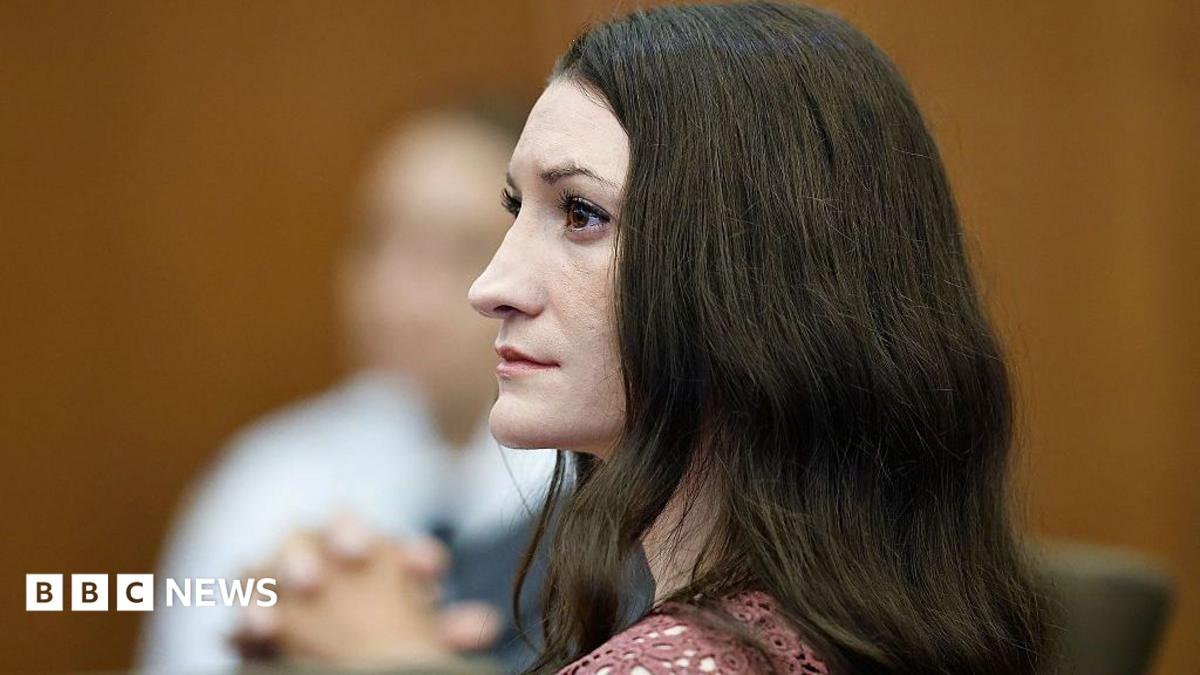
Lindsay Clancy, the Massachusetts woman accused of killing her three young children in 2023, made her first court appearance on Tuesday since her murder trial collapsed earlier this month. The hearing marked the latest chapter in a case that has drawn intense national attention and ended in a mistrial after jurors failed to reach a unanimous verdict.
The 36-year-old mother has never disputed that she caused the deaths of her children. What remains fiercely contested is her state of mind at the time and whether she bears criminal responsibility for the killings. Her defence maintains she was in the grip of severe postpartum psychosis, a rare but serious condition that can distort a mother's perception of reality in the weeks and months after childbirth. Prosecutors, by contrast, insist the killings were deliberate and that Clancy understood the nature and consequences of her actions.
During Tuesday's proceedings, defence attorney Kevin Reddington urged Judge William Sullivan to dismiss the case outright. He invoked Rule 25, a Massachusetts legal mechanism that allows a judge to enter a not-guilty finding when the prosecution has failed to present a legally sufficient case. In Reddington's view, the Commonwealth's evidence fell short of what is required to sustain a murder conviction.
The defence lawyer went further than he had at trial, introducing a fresh argument that there was insufficient proof Clancy actually killed her children, describing the entire prosecution as built on speculation. That represented a notable strategic shift. Throughout the trial, Reddington had focused almost exclusively on his client's mental health, asking jurors to find her not criminally responsible rather than disputing the underlying acts.
Prosecutor Shanan Buckingham dismissed the defence's new position as "laughable." She told the court that the state had presented extensive evidence demonstrating that Clancy was functioning in a sound mental state around the time of the deaths. In her submission, the Commonwealth had clearly "met its burden," and she reiterated that Clancy knew precisely what she was doing when she killed five-year-old Cora, three-year-old Dawson, and eight-month-old Callan inside the family's Massachusetts home.
Judge Sullivan appeared eager to prevent the case from stalling. He pressed both sides to consider fixing a possible retrial date, saying he wanted to "get this thing moving." When neither attorney would commit during Tuesday's hearing, the judge instructed them to come prepared to discuss scheduling at a hearing set for 2 November. At that session, the court is also expected to address the pending motion to dismiss.
Reddington indicated that if the case proceeds to another trial, he would not be ready before June, citing the complexity of the medical and psychiatric evidence involved. The timeline suggests that any retrial would not begin until well into next year, prolonging a legal saga that has already stretched over two years.
Outside the courthouse, District Attorney Timothy Cruz told reporters that prosecutors have not yet decided whether to pursue a second trial on murder charges. "We're doing our due diligence, we're going to continue doing that," he said. "We're going to do what we can for the children. That's what this case is about." His remarks underscored the emotional weight the case carries for the community and for the families involved.
The mistrial was declared on 4 September after a week of deliberations. Jurors informed Judge Sullivan that they could not reach a unanimous verdict, a deadlock attributed to a single holdout juror. Under Massachusetts law, a single juror's refusal to convict is sufficient to prevent a verdict, leaving the prosecution to decide whether to try again or drop the charges.
Clancy has remained in a psychiatric facility since the killings, receiving treatment while her case moves through the courts. Her continued detention in a medical setting, rather than a conventional jail, reflects the central role mental health has played in the proceedings from the outset.
The case has sparked widespread discussion about postpartum psychosis, a condition that remains widely misunderstood. Medical experts describe it as a severe psychiatric emergency distinct from the more common postpartum depression, often involving hallucinations, delusions, and a profound break from reality. Defence teams in similar cases have argued that women experiencing such episodes cannot be held to the same standards of criminal intent as others.
Legal analysts note that the defence's decision to introduce a new argument about insufficient evidence may reflect an effort to create additional grounds for appeal or dismissal, even as the mental health narrative remains central to any future trial. The dual strategies could complicate the prosecution's path if a retrial is ordered.
For now, the future of the case rests with prosecutors, who must weigh the strength of their evidence against the difficulty of securing a unanimous verdict. The 2 November hearing is expected to clarify whether Clancy will face a second jury or whether the charges will be resolved through dismissal or another outcome. Either way, the case is likely to remain in the public eye, given the harrowing details and the unresolved questions about mental illness, culpability, and justice.
What's Your Reaction?
 Like
0
 Dislike
0
 Love
0
 Funny
0
 Wow
0
 Sad
0
 Angry
0

Reporter Senior. Meliput dinamika politik nasional, kebijakan publik, dan isu parlemen selama 8 tahun. Alumni FISIP UI.






Comments (0)