 hendra-wijaya
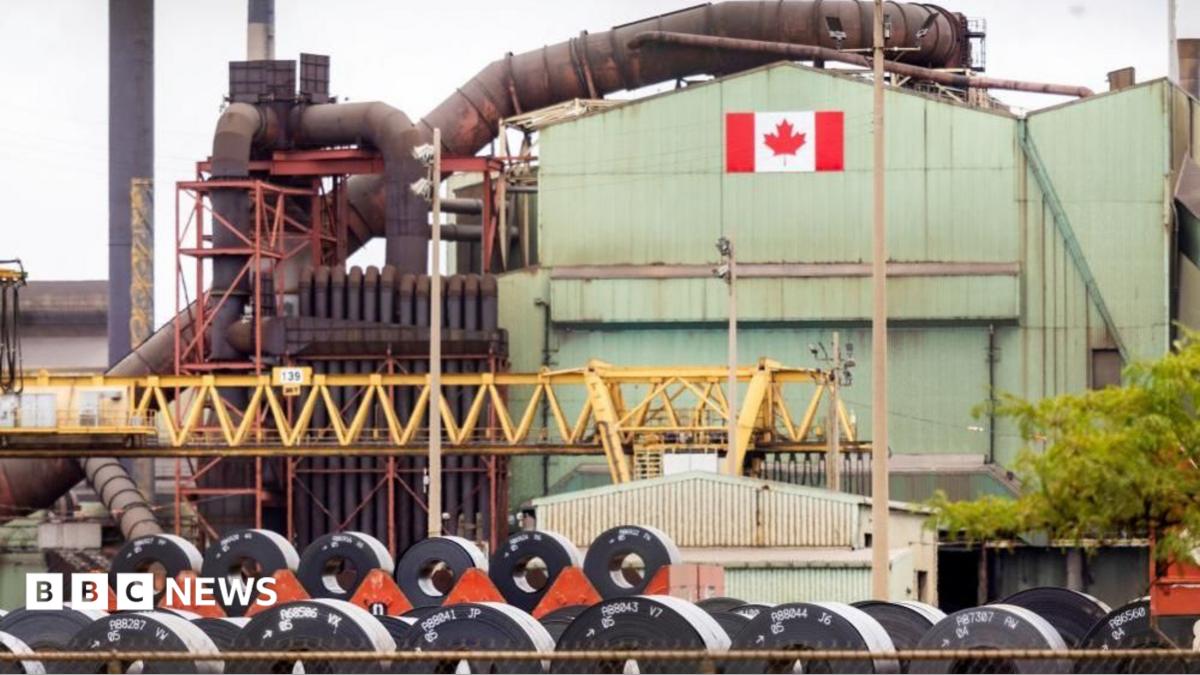
Canada has unveiled a package of retaliatory tariffs reaching 50% on a wide array of American products, escalating a bitter trade dispute that erupted after negotiations between Ottawa and Washington fell apart at the end of last week.
The measures, announced Tuesday by officials in the Canadian capital, will target roughly C$28bn — about $20bn or £15bn — in annual US exports. Items caught in the net include steel, furniture, fresh tuna and everyday consumer goods such as cotton T-shirts. The duties are scheduled to take effect on 8 September.
Ottawa's move is a direct answer to the Trump administration, which last weekend slapped levies of up to 50% on an assortment of Canadian imports following the breakdown of talks on Friday. Both governments have blamed one another for making unacceptable eleventh-hour demands that sank the negotiations.
Finance Minister François-Philippe Champagne framed the response as unavoidable, warning that the American tariffs would carry genuine costs for workers, companies and communities throughout Canada. He described his country's counter-measures as "proportionate" and "strategic," and pledged an additional C$7.5bn in aid to help affected firms stay solvent and protect jobs.
The product list released by Ottawa spans nearly 900 categories of American goods. Steel and aluminum products that had already faced a 25% counter-tariff will now be taxed at 50%, as will items including natural honey, furniture, apparel, makeup and perfume. A second tier imposes 25% duties on appliances such as dishwashers and washing machines, cheeses, fish and seafood, and certain derivative metal products. Tools and machinery — among them forklifts and air conditioning units — face a lower 15% rate. Officials said the selections were deliberately aimed at goods Canadian buyers can obtain from alternative suppliers, limiting the pain domestically.
The tit-for-tat measures mark a sharp deterioration between two nations whose economies have been intertwined for generations. Analysts caution that supply networks built over decades now face mounting costs, with businesses large and small — and ultimately consumers — likely to absorb higher prices on both sides of the border.
Washington pushed back quickly. In a statement, the White House insisted it had been prepared to grant Canada "the most preferential market access of any country on Earth," accusing Ottawa instead of "unreasonable demands, walk-backs, and flat-out rejection." Trump, in a string of posts on Truth Social, charged that Canada had exploited the United States for decades and alleged that American farmers faced steep duties north of the border. "Canada is easily the most difficult and unreasonable" country he deals with, the president wrote, adding that its leaders "feel entitled, but they are not a State." He even floated renaming Lake Ontario "Lake America," declaring that little business with Ontario should be expected going forward.
Trump also threatened this week to raise US duties on Canadian-made automobiles to 50% beginning 1 January. Prime Minister Mark Carney fired back, accusing the American president of seeking to devastate cornerstone sectors of Canada's economy, from car manufacturing to steel and aluminum.
Public exchanges hit a boiling point on Monday when Ontario Premier Doug Ford branded Trump a "loser," though by Tuesday he had adopted a softer line, conceding in a CNN interview that tempers had flared while stressing his desire to secure a fair agreement benefiting both countries.
Beyond the immediate economic fallout, the confrontation clouds the outlook for the USMCA, the North American free trade agreement binding Canada, the US and Mexico. Mexico's President Claudia Sheinbaum dispatched her economy secretary, Marcelo Ebrard, to Washington for urgent discussions after trilateral talks with Ottawa broke down.
Domestically, polling indicates most Canadians back their government's hard line against Washington. Still, questions linger over precisely why the negotiations imploded, with the Conservative opposition demanding publication of the full draft agreement. Business groups, meanwhile, remain anxious about the consequences of an extended standoff with Canada's single largest trading partner.







Comments (0)