 putri-anggraini
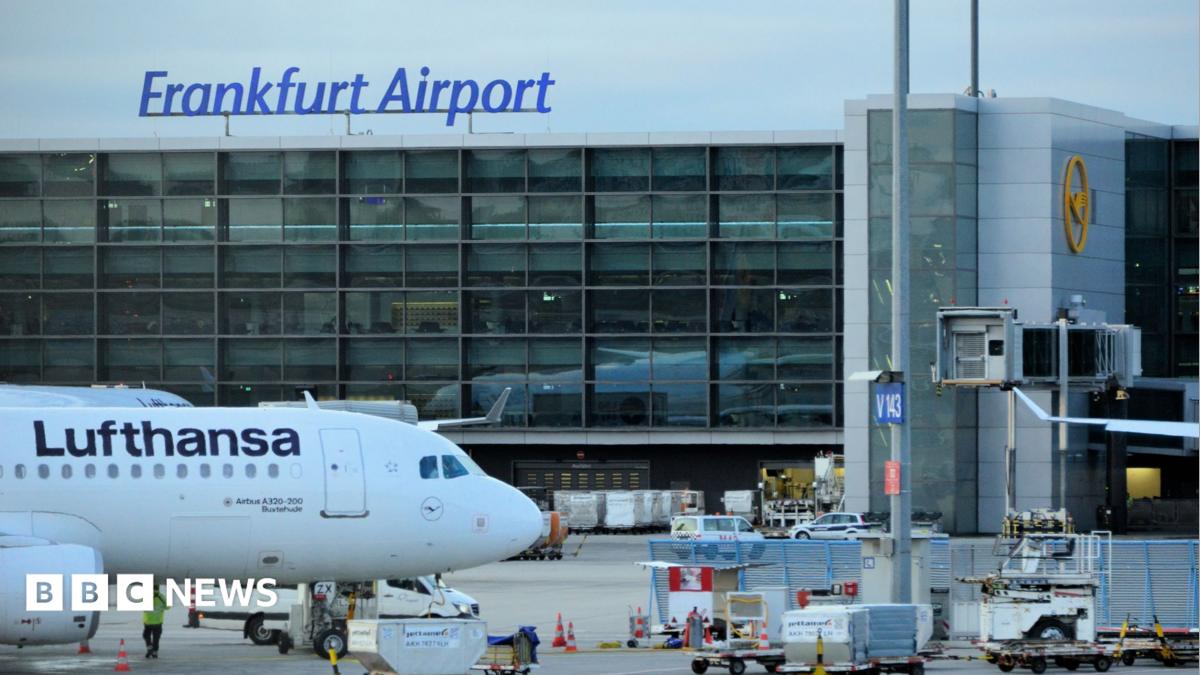
A member of ground staff at Frankfurt Airport has become the first confirmed fatality linked to a rare cluster of malaria cases that health authorities believe began when infected insects were carried into Germany aboard an arriving flight.
In total, six people working at the country's busiest air hub are known to have contracted the mosquito-borne disease during the incident. While one employee has now lost their life, the five others who were infected remain under medical care, according to Fraport, the company that operates the facility.
Confirming the death to the BBC, a spokesperson for the operator expressed regret over the loss. The spokesperson added that staff throughout the airport have been given detailed guidance about the situation and are being urged to seek medical advice should they notice any warning signs of illness.
Efforts to understand exactly how the outbreak unfolded are now under way. Insect traps have been positioned around the airport grounds so that captured specimens can be sent for laboratory testing, which should establish both the species involved and where the insects originally came from.
The scale of the incident has grown since it first came to light. Reports in July indicated that four employees had fallen ill, but the number of confirmed infections has since risen to six.
Germany's national public health body, the Robert Koch Institute, previously disclosed that those initial four workers developed symptoms between 4 and 6 July, and that the mosquitoes responsible had been transported into the country on an aircraft.
The institute stressed that such infections are highly unusual within Germany, noting that domestically recorded malaria cases almost always involve people who picked up the parasite while travelling in regions of the world where the disease is widespread. Transmission occurring at a German airport, it explained, is a rarity.
That absence of any travel history poses a real danger, according to the institute's epidemiological bulletin, because doctors may not immediately suspect malaria in patients with no reason to think they have been exposed. A late diagnosis, the bulletin warned, raises the likelihood that the illness takes a severe or even fatal turn.
Frankfurt itself has seen this kind of event before. The institute noted that the most recent episode of so-called airport malaria in Germany occurred there in 2023.
Responsibility for investigating the current outbreak lies with the Frankfurt Public Health Department, which the BBC has approached for comment but which has yet to respond.
Malaria, as described by the World Health Organization, is transmitted when certain species of mosquito bite humans, and it is predominantly found across tropical parts of the globe. It results from infection with a parasite rather than passing directly between people.
Although the disease can be both prevented and cured, its effects vary dramatically — some patients suffer only mild discomfort while others face life-threatening complications. That range of outcomes underscores why health officials continue to monitor the Frankfurt site closely, and why workers there are being reminded to stay alert to symptoms even weeks after the initial infections emerged. For an airport handling enormous volumes of international traffic each day, the episode serves as a reminder that global connectivity can occasionally carry unexpected biological risks along with passengers and cargo. Authorities will be hoping the laboratory findings from trapped mosquitoes will help them close this particular chapter quickly.
-- END --










Comments (0)