

Pornhub Resumes Service in Australia, but Access Is Limited to Age-Verified Apple Users
Pornhub has resumed operations in Australia after a hiatus of roughly eight months, though the return comes with a significant restriction: only adults using Apple devices will be
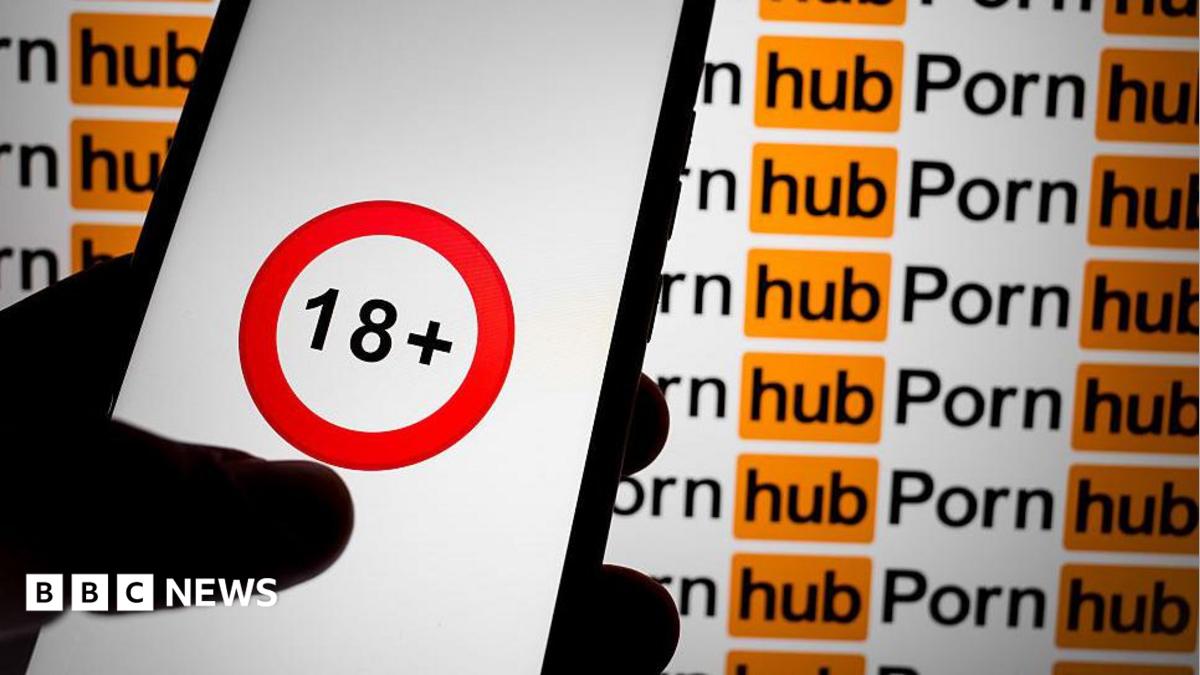
Pornhub has resumed operations in Australia after a hiatus of roughly eight months, though the return comes with a significant restriction: only adults using Apple devices will be able to reach the platform. The site's parent company, Aylo, announced on Wednesday that it was restoring access for what it described as "eligible adult users in Australia" who have completed age verification through Apple's Australian process. The move marks a partial reversal of the company's decision earlier this year to withdraw from the Australian market entirely.
The world's most-visited adult website went dark in Australia in March, shortly after the country enacted strict new age-verification requirements for online adult content. At the time, Aylo argued that the legislation would fail to protect minors and would instead introduce serious risks to user privacy. The company also warned that the rules would push traffic toward non-compliant platforms that operate outside the reach of Australian regulators, potentially exposing users to less safe environments.
Australia's new laws, which took effect in March, require individuals to prove they are at least 18 years old before accessing a range of adult material. The rules cover pornography, R-rated video games, and sexually explicit artificial intelligence chatbots. The country's online safety regulator has promoted the changes as a safeguard for children, stating that platforms found in breach of the requirements would face financial penalties.
The legislation has drawn criticism from privacy advocates and digital rights groups. Detractors contend that age-verification systems — whether based on facial recognition, digital identification, or credit card details — raise substantial data protection concerns and can be circumvented by tech-savvy users. The debate reflects a broader global tension between protecting minors online and preserving the anonymity that many adults expect when browsing the internet privately.
Apple's entry into the Australian age-verification landscape appears to have been the catalyst for Pornhub's return. The technology giant recently rolled out new age-check features in Australia, following an earlier deployment in the United Kingdom. Under Apple's approach, devices are configured with default child-safety settings unless the owner has confirmed they are an adult. Aylo praised this model, saying Apple had "set a benchmark" for the industry.
According to Aylo, Apple's system effectively makes "every phone or tablet kid-safe as a starting point." The company has long argued that device-level verification is superior to site-by-site checks, describing it as the most effective and privacy-preserving method for keeping minors away from age-restricted content. By embedding the verification into the device itself, the approach reduces the need for users to submit personal documents to individual websites.
Alex Kekesi, Aylo's vice-president of brand and community, said Australians with Apple devices that have been age-verified will receive what she called a "standard adult users experience." She added that having child safety features enabled by default means adults do not need to "surrender unnecessary personal information to multiple apps and websites," a point the company has emphasized repeatedly in its public advocacy.
Kekesi also noted that the device-based model limits the effectiveness of virtual private networks, or VPNs, as a workaround. VPNs are frequently used to disguise a user's location, making a site believe the visitor is connecting from a country with different rules and thereby bypassing local age checks. By tying verification to the device rather than the connection, Apple's system makes such circumvention considerably harder, according to Aylo.
The decision to return only for Apple users leaves a substantial portion of the Australian market without access to Pornhub. People using Android devices, desktop computers, or other operating systems remain unable to reach the site through standard means. It is unclear whether Aylo intends to expand access to other platforms, or whether competitors such as Google might introduce comparable age-verification systems that could pave the way for a broader return.
The development highlights the growing influence of hardware and software makers in shaping how online content is governed. Rather than relying solely on regulators or website operators, device manufacturers are increasingly positioned as gatekeepers of the internet experience. Apple's model effectively shifts the responsibility for age assurance from individual platforms to the operating system, a structural change with implications for how laws are enforced across borders.
For Australian authorities, the arrangement represents a partial victory. The online safety regulator has maintained that age verification is essential to shielding children from harmful material, and Pornhub's return under Apple's framework suggests the legislation is having its intended effect, at least for a segment of users. However, the fact that a major platform remains inaccessible to non-Apple users raises questions about the consistency and fairness of the new regime.
Privacy campaigners are likely to continue scrutinizing the arrangement. While Aylo frames Apple's system as privacy-protecting, any mechanism that links a person's identity or age status to their device creates a record of verification. How that data is stored, who can access it, and what safeguards exist against misuse remain central concerns for advocates who worry that today's child-protection measure could become tomorrow's surveillance infrastructure.
The episode also underscores the difficulty of regulating the global internet through national laws. Aylo's initial withdrawal demonstrated that platforms can simply exit markets whose rules they consider unworkable, depriving regulators of leverage. Its selective return, contingent on a single company's technical ecosystem, illustrates how enforcement increasingly depends on cooperation from technology firms whose interests and policies may not align with any single government's agenda.
For now, Pornhub's Australian presence is restored in a limited form, available only to adults who have verified their age through Apple's system. The company has signaled that device-based verification is the path forward, and its decision may encourage other platforms to adopt similar models. Whether this approach becomes a durable solution or a temporary compromise will depend on how regulators, technology companies, and privacy advocates resolve their competing visions for the open internet.
What's Your Reaction?
 Like
0
 Dislike
0
 Love
0
 Funny
0
 Wow
0
 Sad
0
 Angry
0

Reporter Senior. Meliput dinamika politik nasional, kebijakan publik, dan isu parlemen selama 8 tahun. Alumni FISIP UI.






Comments (0)