

Japan's Largest Brewers Raided by Regulators Over Alleged Beer Price-Fixing Cartel
Japanese antitrust authorities have searched the offices of the country's leading beer producers as part of an investigation into suspected collusion over pricing, in a case that c
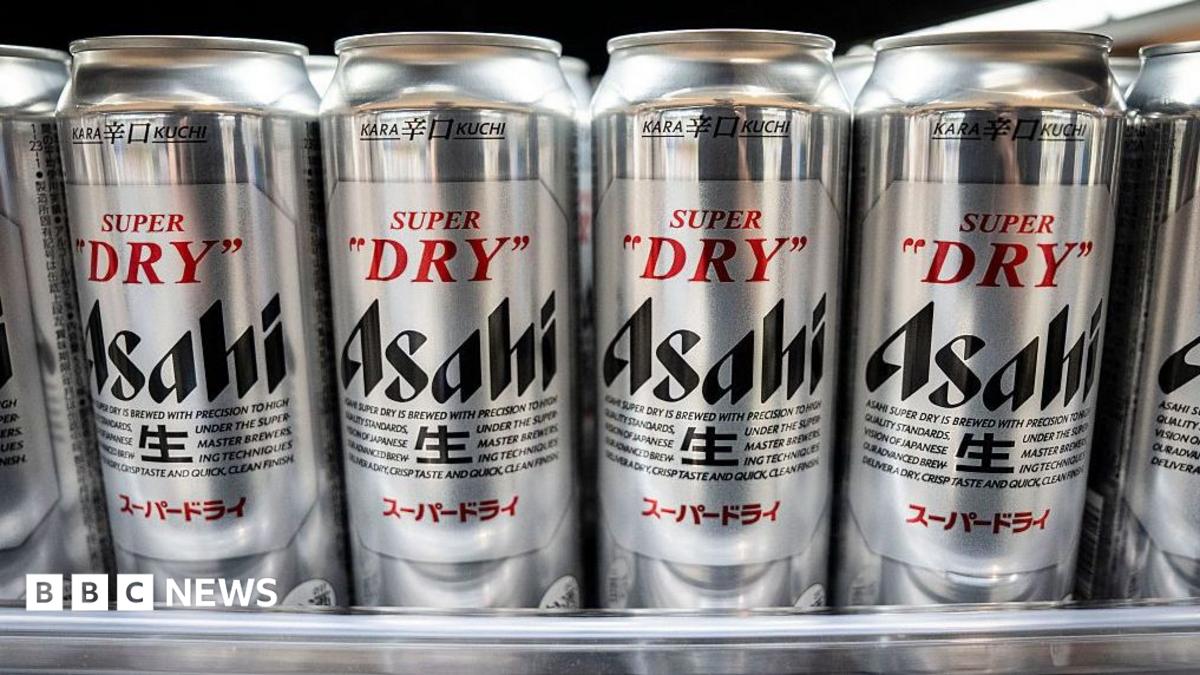
Japanese antitrust authorities have searched the offices of the country's leading beer producers as part of an investigation into suspected collusion over pricing, in a case that could reshape competition in one of the world's most mature beer markets.
Asahi and Kirin both confirmed to the BBC that inspectors from the Japan Fair Trade Commission had visited their premises. The two companies said they would cooperate fully with the regulator. Reports from Japanese media indicate that Sapporo Breweries and Suntory Spirits were also subject to raids, though neither firm has yet issued a public statement.
The investigation, first reported on Wednesday, focuses on whether the brewers coordinated to push through price increases on two separate occasions. According to the Japan Times, the commission is examining hikes implemented in October 2022 and again in April last year.
All four companies publicly announced those increases at the time, attributing them to a combination of rising raw material costs, higher energy expenses and elevated transportation fees. Under Japanese competition law, however, companies are prohibited from aligning their pricing strategies with competitors, even when facing shared cost pressures.
The Japan Fair Trade Commission, which has been contacted for comment, holds broad powers to investigate and penalise anti-competitive behaviour under the Antimonopoly Act. If the regulator concludes that the brewers acted in concert rather than independently, the companies could face substantial fines and mandatory compliance measures.
Kirin Holdings, the parent company of Kirin Brewery Company, said its subsidiary had been searched "on suspicion of a violation of the Antimonopoly Act." The group stated that it takes the matter "very seriously" and pledged to "fully cooperate with the Japan Fair Trade Commission's investigation and any requests for cooperation."
Kirin Holdings added that it has not yet determined how the investigation might affect its financial results, and that it would disclose any material developments promptly as the situation evolves. The cautious language reflects the uncertainty that typically accompanies the early stages of antitrust proceedings.
Asahi Breweries issued a similar response, confirming it was "subject to investigation by the Japan Fair Trade Commission regarding a suspected violation of the Act on Prohibition of Private Monopolization and Maintenance of Fair Trade." The company said it would cooperate fully with the commission's inquiry.
Investor reaction was swift and negative. Asahi, Kirin and Sapporo all recorded share price declines after news of the raids broke on Wednesday, underscoring the market's sensitivity to regulatory risk in the sector. Suntory, which is not publicly traded, does not face the same immediate pressure from shareholders.
The Japanese beer industry is dominated by a small number of major players, a structure that has historically invited close regulatory scrutiny. Asahi, Kirin, Sapporo and Suntory together account for the overwhelming majority of beer sold in Japan, making the market one of the most concentrated among developed economies.
That concentration has not gone unnoticed by competition authorities over the years. A small number of firms controlling pricing in a market with high barriers to entry creates conditions in which coordination is theoretically easier to sustain, which is precisely why regulators examine parallel price movements closely.
The timing of the alleged increases is also significant. Both the 2022 and 2024 hikes came during a period of broad inflationary pressure in Japan, as the country emerged from decades of deflation. Rising costs for barley, aluminium, fuel and logistics gave brewers a plausible public rationale for raising prices.
However, the existence of a legitimate cost justification does not automatically shield companies from antitrust liability. Regulators typically seek evidence of communication or agreement between competitors, such as meetings, emails or coordinated public announcements designed to signal pricing intentions.
Parallel pricing alone is generally insufficient to establish a violation in most jurisdictions, including under Japan's competition framework. But when combined with evidence of direct contact, simultaneous announcements and similar timing, such patterns can form the foundation of a cartel case.
The beer market carries additional cultural and economic weight in Japan. Beer remains the country's most popular alcoholic beverage by volume, and the major brewers are among the nation's most recognisable corporate brands. Any finding of collusion would therefore carry reputational consequences extending well beyond financial penalties.
Beyond Japan, the outcome of the investigation could draw attention from competition regulators in other jurisdictions where the same firms operate. Japanese brewers have expanded significantly overseas in recent years, and allegations of anti-competitive conduct at home can influence how foreign authorities view their broader corporate governance.
This is not the first time the companies have been in the news for non-commercial reasons. Asahi recently dealt with a significant cybersecurity incident that forced the brewing giant to temporarily revert to pen-and-paper processes, an episode that highlighted vulnerabilities in the group's digital infrastructure.
For now, the investigation remains at an early stage, and no formal findings have been issued. The Japan Fair Trade Commission has not commented publicly, and it is unclear how long the inquiry might take. Antitrust probes of this nature often stretch over months or even years before conclusions are reached.
The coming weeks will likely bring further disclosures from the companies involved, particularly Sapporo and Suntory, whose silence so far leaves key questions unanswered. Whether the investigation results in sanctions, settlements or closure without action, the case has already focused attention on how pricing is set in one of Japan's most consolidated consumer industries.
What's Your Reaction?
 Like
0
 Dislike
0
 Love
0
 Funny
0
 Wow
0
 Sad
0
 Angry
0

Fact Checker Politik. Memverifikasi klaim publik, pidato pejabat, dan informasi viral. Anggota jaringan cek fakta Indonesia.




Comments (0)