

Morocco Names Fatima Zahra El Mansouri as First Female Prime Minister After Election Win
Morocco has appointed Fatima Zahra El Mansouri as its first female prime minister, marking a significant milestone in the country's political history. The 50-year-old was selected
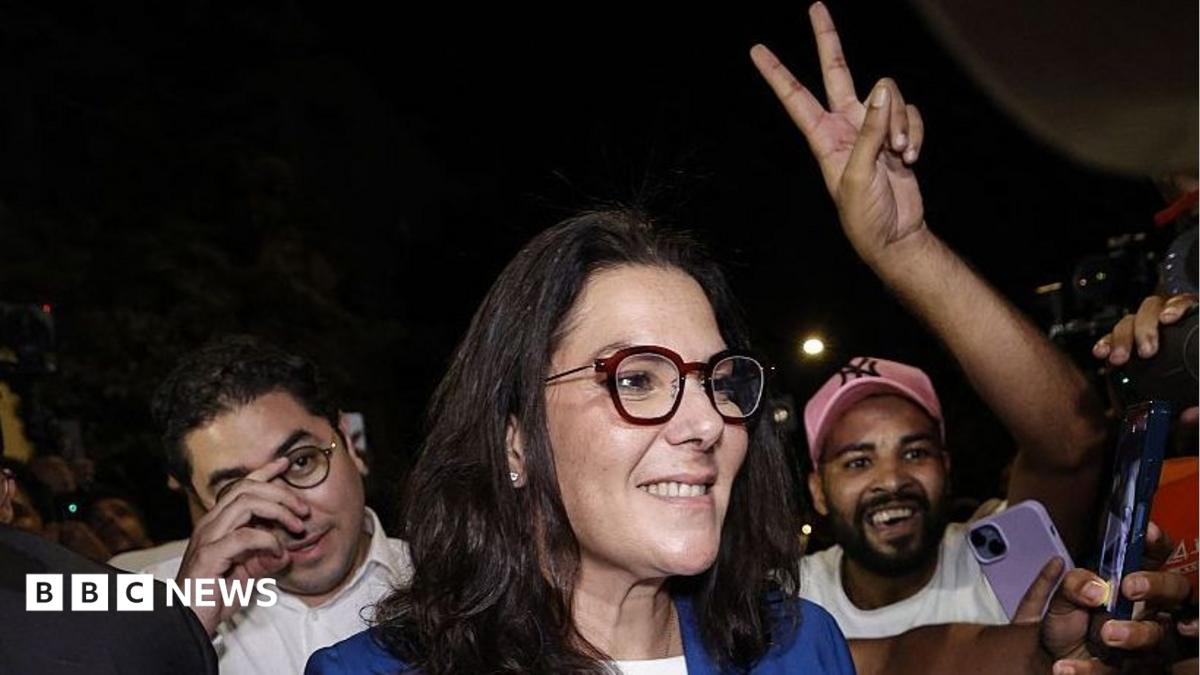
Morocco has appointed Fatima Zahra El Mansouri as its first female prime minister, marking a significant milestone in the country's political history. The 50-year-old was selected by King Mohammed VI after her centrist Authenticity and Modernity Party (Pam) secured the largest number of seats in last week's parliamentary elections. Her elevation makes her only the second woman to head a government in the Arab world, following Tunisia's Najla Bouden.
The appointment was confirmed following a competitive internal process that saw El Mansouri chosen over Fouzi Lekjaa, the country's football chief and a prominent figure within the same party. El Mansouri was named by the king, who holds the constitutional authority to appoint the head of government from the party that finishes first in legislative elections. Her selection reflects both her long-standing political experience and her party's strong electoral performance.
El Mansouri is a lawyer by training, having studied at Mohammed V University in Rabat before continuing her education in France and the United States, where she specialized in business and corporate law. She entered politics after Pam was founded in 2008 and quickly rose through the ranks, becoming the first woman to serve as mayor of Marrakesh in 2009. She returned to that post following the 2021 elections, cementing her reputation as one of Morocco's most prominent female politicians.
In the five years leading up to her appointment, El Mansouri served as a minister for national territory planning, urban planning, housing and city policy under former Prime Minister Aziz Akhannouch. In February 2024, she became the coordinator of Pam's leadership coalition, a role that positioned her as a key figure within the party's collective leadership structure. Her extensive experience in both local and national government has provided her with a deep understanding of Morocco's political landscape.
Speaking at a victory press conference before her official announcement as prime minister, El Mansouri was asked whether the state would need to make changes to accommodate her at Muslim religious ceremonies attended by the king, including Friday and Eid prayers, where men and women pray in separate sections. She did not directly answer the question, instead praising the king as "the biggest advocate for women" in the country. She described the potential responsibility of leading the government as a great honor, emphasizing the king's wisdom in making such decisions.
Throughout her political career, El Mansouri has rarely spoken publicly about women's rights or gender inequality, despite ongoing debates in Morocco over issues such as whether polygamy should be banned and whether men and women should have equal inheritance rights. She has also rejected her portrayal as an "iron woman," telling Pam's magazine in 2021 that she is "neither a woman of steel nor iron" but rather "a free activist." Her approach has focused on pragmatic governance rather than overt advocacy on gender issues.
Under Morocco's constitution, the king appoints the head of government from the party that comes first in elections to the House of Representatives. Pam has been led by a collective leadership since February 2024, rather than a single secretary general, which added complexity to the selection process. After the results were announced last week, El Mansouri said the decision was ultimately up to the king to choose between her and Lekjaa. In the past, the appointment was largely a formality, as most Moroccan parties were led by a single secretary general, making it clear who would be nominated to head the government.
With 97 seats, Pam does not have a majority and will need to form a coalition to reach the 198 seats required for an absolute majority in the 395-member parliament. It is not yet clear which party it will work with, as it has fallen out with the National Rally of Independents (RNI), which led the outgoing government in which Pam was a junior partner. The coalition-building process will be a critical test of El Mansouri's political skills and her ability to navigate Morocco's complex party dynamics.
The Islamist Justice and Development Party (PJD) rebounded in the elections with 54 seats, up from only 13 in the previous election. The party's resurgence was buoyed by the return of its leader, Abdelilah Benkirane, a former prime minister. After the vote, Benkirane said the party would stay in opposition, refusing a partnership with Pam. This decision further narrows El Mansouri's coalition options and could complicate the formation of a stable government.
Morocco is a constitutional monarchy, but most power remains in the hands of the king, who retains significant authority over key policy areas including defense, foreign affairs and religion. The prime minister's role, while important, operates within this framework. El Mansouri's appointment therefore represents both a historic breakthrough for women in Moroccan politics and a continuation of the country's existing power structure, where the monarchy remains the dominant political force.
El Mansouri's background as a lawyer and her experience in local government in Marrakesh have shaped her approach to politics. Her tenure as mayor of Marrakesh, one of Morocco's most prominent cities, provided her with hands-on experience in urban governance and service delivery. Her ministerial role further expanded her portfolio to national-level policy areas including housing and urban planning, which are critical issues in a country experiencing rapid urbanization and demographic change.
The appointment of Morocco's first female prime minister comes at a time when women's representation in political leadership across the Arab world remains limited. Only Tunisia, prior to Morocco's announcement, had seen a woman lead its government. El Mansouri's rise to the premiership therefore carries symbolic significance beyond Morocco's borders, potentially serving as an inspiration for women seeking political leadership in the region. However, the practical impact of her appointment on women's rights and gender equality in Morocco remains to be seen, particularly given her reticence on such issues in the past.
As she prepares to assume office, El Mansouri faces immediate challenges, including negotiating a coalition agreement and addressing the country's pressing economic and social issues. The election campaign was shaped by a range of concerns, including territorial disputes and Morocco's growing ambitions as a football powerhouse. Her ability to build consensus across party lines and deliver on policy priorities will determine the success of her tenure. The coming weeks will be crucial as she works to assemble a governing coalition capable of commanding an absolute majority in parliament.
What's Your Reaction?
 Like
0
 Dislike
0
 Love
0
 Funny
0
 Wow
0
 Sad
0
 Angry
0

Reporter Senior. Meliput dinamika politik nasional, kebijakan publik, dan isu parlemen selama 8 tahun. Alumni FISIP UI.






Comments (0)