

Police Recover 28 Skulls and Bones from Suspected Kidnappers' Camps in Southeastern Nigeria
Nigerian police in Abia State have recovered the skulls and skeletal remains of at least 28 people from two forest camps believed to have been used by kidnapping gangs, authorities
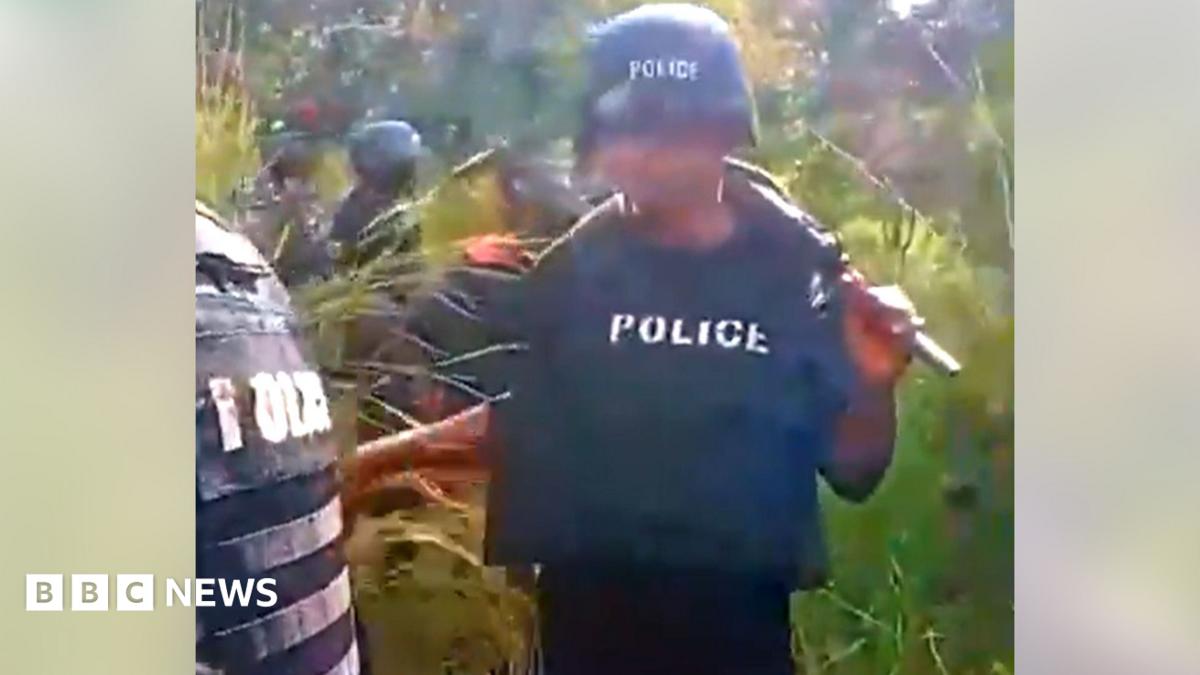
Nigerian police in Abia State have recovered the skulls and skeletal remains of at least 28 people from two forest camps believed to have been used by kidnapping gangs, authorities confirmed on Saturday. The grim discovery was made in the Umuaku and Nneato forests, located in the Umunneochi area of the south-eastern state, following a coordinated security operation.
According to the Abia State Police Command, the raids were initiated after intelligence reports indicated that criminal activity was taking place in the remote woodland. When tactical operatives arrived at the encampments, the suspects fled the scene, leaving behind the camps and the human remains. Police spokeswoman Maureen Chinaka stated that the criminal camps were subsequently dismantled and that a total of 28 human skulls and bones, suspected to belong to kidnap victims, were recovered.
Officers suspect the remains are those of individuals taken hostage by the gangs, though forensic and other investigative procedures are still ongoing to confirm identities and establish the circumstances surrounding the deaths. The police have not yet announced any arrests in connection with the discovery.
Abia State Police Commissioner Wilfred Afolabi described the operation as part of a broader, ongoing campaign aimed at dismantling criminal hideouts across the state. He emphasised that surveillance has been intensified in the area as officers work to track down the suspects who escaped during the raid.
The discovery has revived long-standing concerns about kidnapping syndicates that operate in the dense forests spanning parts of south-eastern Nigeria. These criminal groups have repeatedly targeted motorists, travellers and local residents, holding them for ransom in remote locations where law enforcement presence is limited. The Umunneochi area, where the forests are located, has previously been the site of similar security raids during which decomposing bodies linked to kidnapping activities were found.
Authorities have appealed to residents to report any suspicious activity or security concerns as efforts continue to identify the victims and determine whether the remains are connected to unresolved kidnapping cases in the region. The scale of the recovery suggests that the camps may have been used over an extended period, potentially accounting for multiple disappearances that have gone unsolved.
The Abia State operation unfolded against a backdrop of escalating kidnapping violence elsewhere in Nigeria. Over the same weekend, more than 80 people, most of them women, were seized in separate mass abductions in two northern states. In Niger State, nearly 50 farmers were abducted by gunmen on Sunday. In neighbouring Zamfara State, approximately 40 other women were kidnapped the same day, according to two security reports seen by the AFP news agency and a local source.
Abductions for ransom have become a major source of income for criminal networks in northern Nigeria, including armed bandit groups and militant Islamist factions. The latest mass kidnappings underscore the difficulty Nigerian authorities face in curbing a kidnapping crisis that has spread across multiple regions of the country, from the forests of the south-east to the savannahs of the north-west.
The recovery of the remains in Abia State also highlights the risks faced by travellers and communities near forested corridors, where criminal gangs often establish hidden camps far from major roads and settlements. Security analysts have noted that the vast, poorly monitored forests provide ideal cover for kidnappers to hold victims for extended periods while negotiating ransoms.
Local residents in Umunneochi and surrounding areas have expressed fear and frustration over the persistent threat. Many have called for stronger security measures, including increased patrols and better intelligence gathering, to prevent further abductions and to bring perpetrators to justice.
The police have urged the public to remain vigilant and to cooperate with ongoing investigations. They have also reiterated their commitment to ridding the state of criminal elements, though the escape of the suspects during Saturday's raid suggests that the gangs remain active and capable of evading capture.
As forensic teams continue their work, the identities of the 28 victims remain unknown. Families of missing persons in the region are likely to watch the investigation closely, hoping for answers about loved ones who disappeared without trace. The outcome of the forensic analysis could also provide crucial evidence for prosecuting those responsible, should they be apprehended.
The Abia State discovery serves as a stark reminder of the human cost of Nigeria's kidnapping epidemic, which has claimed countless lives and left thousands of families in anguish. While security operations like the one conducted on Saturday represent an important step, experts caution that dismantling criminal networks requires sustained effort, improved coordination among security agencies, and addressing the underlying economic and social factors that fuel the ransom kidnapping trade.
What's Your Reaction?
 Like
0
 Dislike
0
 Love
0
 Funny
0
 Wow
0
 Sad
0
 Angry
0

Reporter Senior. Meliput dinamika politik nasional, kebijakan publik, dan isu parlemen selama 8 tahun. Alumni FISIP UI.






Comments (0)