

Johannesburg cemetery discovery is tenth killing in a year of fear for women in Ekurhuleni
Police in South Africa have recovered the body of a woman at a cemetery in Tembisa, a neighbourhood north-east of central Johannesburg, marking the tenth death in recent months tha
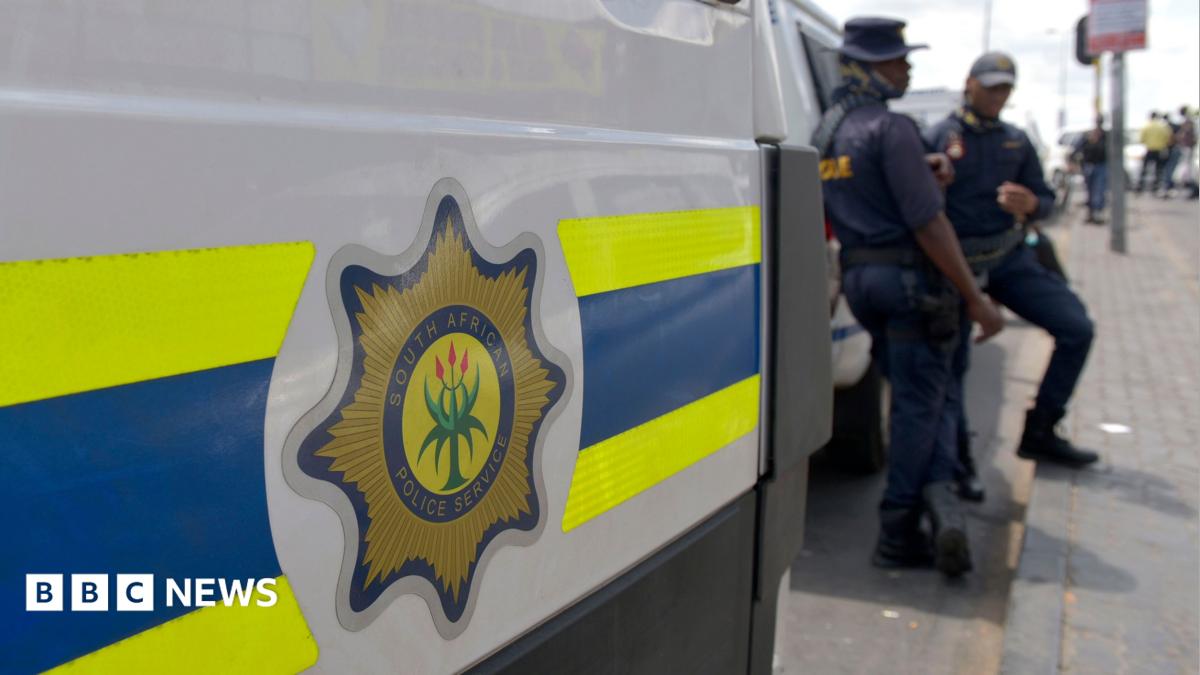
Police in South Africa have recovered the body of a woman at a cemetery in Tembisa, a neighbourhood north-east of central Johannesburg, marking the tenth death in recent months that investigators suspect may be connected. The body was discovered on Saturday morning, and it was identified later that day by the friend who had been with the victim at a bar the previous evening.
The friend told national broadcaster SABC that she recognised her friend's clothes from a photograph shown to her. Speaking through tears, she said: "I don't know what I'm going to say to her children. It's painful." Officials had not publicly named the victim by the time of publication, and police said in a short statement that crime scene investigators were at the site collecting evidence.
Gauteng Police Commissioner Tommy Mthombeni said it was too early to say whether the latest death was linked to the others. He explained that the bodies recovered so far display what investigators call a "similar victimology" — a shared pattern in how victims are selected and killed — and that a common "modus operandi" would allow detectives to establish whether this case belongs to the same series.
Speaking to reporters, Lt Gen Mthombeni said the pattern meant police could not simply dismiss the possibility of a serial offender, but neither had they reached a conclusion. "For now, it's not something which we can overrule to say there's a serial killer, but we cannot conclusively indicate as such," he said.
The killings have unfolded across the wider Ekurhuleni municipality, where most of the bodies have been found since July in Kempton Park, a neighbourhood adjacent to Tembisa. Police have also referenced a further death in Soweto while examining similarities between cases, widening the geographical scope of the inquiry and the sense of anxiety it has created across the province's urban corridors.
Investigators say many of the victims were young women, and that almost all of them suffered extreme violence before death. The circumstances in which the remains were discovered have proved strikingly consistent — bodies found in similar settings, and in several instances recognised only later by friends or relatives who had last seen the women at night.
The discoveries have driven a national outcry over the scale of violence against women in a country that the United Nations and rights groups routinely place among the highest in the world for rates of gender-based violence. The immediate fear has been concentrated in Johannesburg, where residents say the growing death toll has left women reeling and wary.
Broader crime statistics underline how the killings sit within an already devastating picture. South Africa records one of the highest homicide rates in the world, with 5,427 people murdered in the three months between April and June this year alone. National police statistics do not, however, distinguish victims by gender, meaning the scale of violence against women has to be estimated by other bodies.
The South African Human Rights Commission said last week that 569 women were killed and 1,052 others survived attempted murder over the same April-to-June period — figures that have sharpened criticism of the government's response just months after ministers declared gender-based violence a national disaster.
The series of killings has added fresh pressure on national leaders and has raised uncomfortable questions about policing, prevention and accountability, particularly as the search for those responsible continues and responsibility for individual cases shifts between investigators and the courts.
Some progress has been reported in the criminal justice response. Three men appeared in court earlier this week accused of being involved in one of the murders, and police said they were working to track down further suspects who may have been involved. Officials have not said whether those arrests are expected to connect directly to the wider pattern.
Establishing whether a serial offender is responsible typically requires investigators to link cases through forensic evidence, and to rule in or out common suspects across separate scenes. Until police can confirm such links publicly, the ambiguity itself becomes a problem: residents are left weighing the commissioner's caution against their own reading of the evidence, and women in the affected neighbourhoods are living with the possibility that the next body will be found only a few streets away.
For now, the case remains open. The victim has not been publicly identified, the link between the Tembisa death and the previous killings is unproven, and the question of whether a single serial killer is at work remains — in the commissioner's words — something police can neither rule out nor confirm.
The investigation is continuing, and the discovery of a further body in Johannesburg is likely to keep the issue of gender-based violence at the top of the national agenda.
What's Your Reaction?
 Like
0
 Dislike
0
 Love
0
 Funny
0
 Wow
0
 Sad
0
 Angry
0

Reporter Senior. Meliput dinamika politik nasional, kebijakan publik, dan isu parlemen selama 8 tahun. Alumni FISIP UI.





Comments (0)