 putri-anggraini
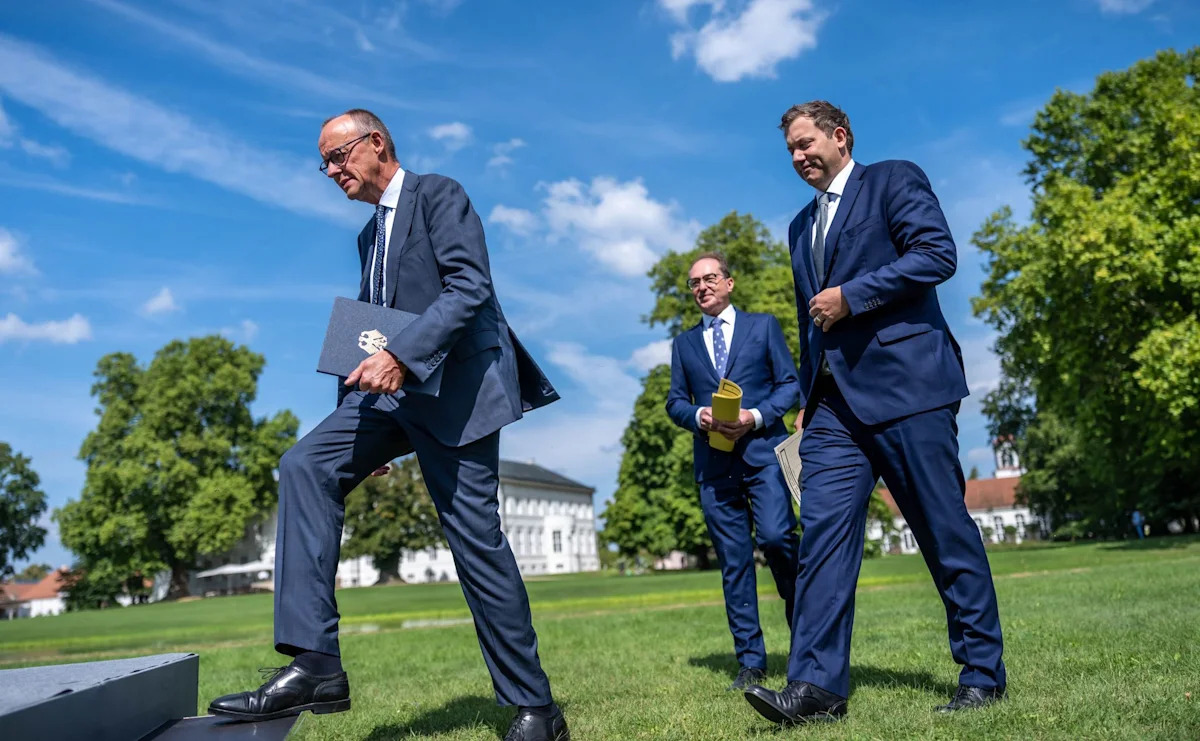
German Chancellor Friedrich Merz has declared that Germany is growing again, announcing the end of a three-year recession in Europe's largest economy. The statement amounts to the most confident declaration yet from Berlin that the country's painful stretch of economic contraction has finally come to a close.
The turnaround carries considerable weight. Germany, long regarded as the industrial engine of the eurozone, has endured an unusually prolonged downturn by the standards of its modern economic history. Official figures showed gross domestic product shrinking in both 2023 and 2024, and the weakness carried into a third consecutive year, leaving output below where it stood before the successive shocks of the pandemic and the energy crisis.
The roots of the slump are well documented. Germany's manufacturing-heavy model was hit hard when Russia's full-scale invasion of Ukraine sent energy prices soaring, squeezing the chemical, metals and other energy-intensive industries that underpin the country's export strength. At the same time, the crucial automotive sector has faced fierce competition from Chinese manufacturers and a costly transition to electric vehicles, while weak global demand dampened orders abroad.
Merz, who took office in May 2025, made reviving German growth the central promise of his chancellorship. He has repeatedly argued that the country cannot afford another lost decade and has pledged to cut bureaucratic burdens, reduce energy costs and restore conditions in which companies are willing to invest at home rather than abroad.
His government has also engineered a significant fiscal shift. In one of the most consequential changes to German economic policy in years, lawmakers loosened the country's constitutional debt brake to allow unlimited defense spending above a defined threshold and created a large special fund for infrastructure and climate investment. Business tax relief measures have been phased in as well, moves designed to unlock private capital after years of chronic underinvestment.
A German recovery matters far beyond the country's borders. Germany accounts for roughly a quarter of eurozone output, and its stagnation has dragged on growth across the region, hitting suppliers and trading partners from Central Europe to France and Italy. A sustained pickup in German demand and investment would provide a meaningful lift to the wider European economy at a time of persistent trade and security uncertainties.
Even so, economists urge restraint in celebrating. Many warn that the return to growth, however welcome, remains fragile and that Germany's structural problems have not disappeared. An aging workforce and persistent skilled-labor shortages, slow digitalization, high electricity costs relative to competitors and uncertainty over access to export markets all continue to weigh on the country's medium-term prospects.
The political stakes for Merz are equally high. His coalition has faced pressure amid strong polling for the opposition and voter frustration over years of declining living standards, and critics on both the left and right have questioned whether the government's spending programs will deliver lasting results. Delivering visibly stronger growth is viewed in Berlin as essential to the chancellor's credibility.
For German companies and households, the formal end of the recession would represent psychological relief as much as economic progress. After years of rising corporate insolvencies, cautious consumers and gloomy business sentiment, even a modest expansion offers hope that the cycle of pessimism is breaking.
Much now depends on whether investment commitments translate into concrete activity on the ground and whether global trade conditions hold steady. Merz has staked his leadership on the proposition that Germany's best days are not behind it. With the economy, by his own account, growing again, the task shifts from halting the decline to proving that the recovery can endure.









Comments (0)